
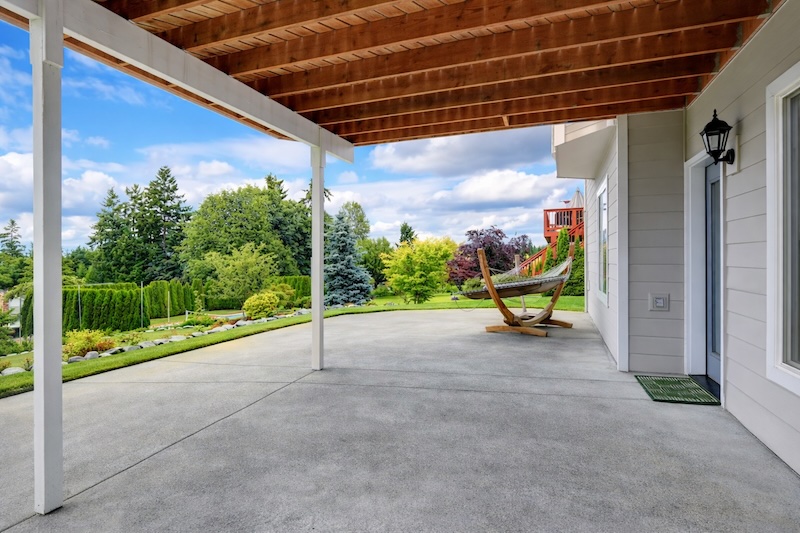
How to Maintain Your Resurfaced Patio: A Complete Guide for Texas Homeowners
sh, and a renewed surface for entertaining and everyday use. However, keeping that improvement in good condition requires more than occasional sweeping. Sun exposure, heavy rain, standing water, food spills, and everyday foot traffic can gradually affect the finish if maintenance is overlooked.
For homeowners in Texas, patio care deserves particular attention. Intense summer sunlight, high surface temperatures, sudden storms, and seasonal humidity can put pressure on concrete overlays, decorative coatings, and protective sealers. The right maintenance routine helps preserve the appearance of your resurfaced patio while identifying minor problems before they require more extensive repairs.
Whether your patio features a decorative concrete overlay, a stamped finish, or a protective coating, this guide explains how to clean it safely, protect it from Texas weather, recognize early signs of damage, and determine when professional maintenance is appropriate.
Why Maintaining a Resurfaced Patio Matters
Concrete resurfacing adds a new finish over an existing concrete surface, provided the underlying slab is suitable for the application. Depending on the system selected, the finish may improve appearance, provide texture, or introduce additional protection through a compatible sealer.
However, resurfacing does not make concrete immune to damage. The performance of the finished patio depends on several factors, including the original concrete’s condition, surface preparation, installation quality, the materials used, and ongoing maintenance.
Regular care can help you:
- Preserve decorative colors, textures, and patterns.
- Reduce staining from food, grease, leaves, and outdoor furniture.
- Maintain the intended surface texture and slip resistance.
- Identify cracks, peeling, or sealer deterioration early.
- Protect your investment and avoid preventable repair costs.
A well-maintained patio can remain attractive and functional for many years, but there is no universal lifespan. Results depend on the resurfacing system, installation conditions, climate exposure, and the condition of the original concrete.
1. Establish a Regular Patio Cleaning Routine
Routine cleaning is the simplest way to prevent dirt and organic debris from accumulating on a resurfaced patio.
Dust, pollen, leaves, and soil can collect in textured concrete, decorative grooves, and areas around planters. When moisture remains on the surface, this material may also encourage algae or mildew growth.
How to clean a resurfaced patio
Follow this straightforward process:
- Remove loose debris. Sweep the patio with a soft-bristled broom, paying attention to corners, expansion joints, and textured areas.
- Rinse the surface. Use a garden hose to loosen remaining dirt.
- Apply a suitable cleaner. Mix a mild, pH-neutral cleaning product according to its label, provided it is compatible with your resurfacing system.
- Scrub gently. Use a non-abrasive brush to remove ordinary grime without damaging the finish.
- Rinse thoroughly. Remove all cleaning residue so it does not leave a film or affect the surface.
- Check drainage. Observe whether water drains away or remains in low spots.
In many Texas homes, sweeping once or twice a week is a reasonable starting point. Patios under trees, beside gardens, or near outdoor cooking areas may need more frequent attention. Wash the surface when visible dirt, pollen, or residue accumulates rather than following an unnecessarily rigid schedule.
Always follow the maintenance instructions provided by your resurfacing contractor or coating manufacturer.
2. Protect Your Patio From Texas Heat and Sunlight
Strong sunlight is one of the most important environmental considerations for outdoor concrete finishes in Texas.
Ultraviolet exposure can gradually affect certain pigments, decorative finishes, and sealers. Repeated heating and cooling can also contribute to movement in the underlying concrete and stress in some surface systems.
Practical ways to reduce sun-related wear
- Choose a sealer specifically rated for your installed resurfacing system and outdoor exposure.
- Use appropriately designed shade structures or umbrellas where practical.
- Avoid placing heat-producing equipment directly on a surface unless the finish is rated for that exposure.
- Inspect the patio periodically for unusual fading, peeling, or changes in surface texture.
- Follow the manufacturer’s recommendations for resealing and cleaning.
For homes in Dallas, Fort Worth, Denton, Plano, and other North Texas communities, summer heat can make patio surfaces particularly uncomfortable underfoot. Surface temperature varies with color, sunlight, shade, and material composition, so consider lighter finishes or shaded seating areas when planning future improvements.
Do not assume that every clear sealer provides the same UV protection. Confirm that the product is appropriate for your particular finish.
3. Understand When to Reseal a Resurfaced Patio
Sealing is an important part of maintaining many decorative concrete resurfacing systems, but not every surface uses the same protective treatment.
A compatible sealer may help limit moisture penetration, simplify cleaning, protect against certain stains, and preserve the appearance of a decorative finish. Some products also enhance color or change the surface sheen.
However, sealers can wear down, and applying an incompatible product may cause cloudiness, peeling, discoloration, or adhesion problems.
How often should you seal a resurfaced patio?
There is no single resealing interval that applies to every patio. The appropriate schedule depends on the sealer type, exposure, traffic, and manufacturer’s instructions. Some systems require more frequent attention than others.
Rather than automatically resealing every two or three years, check the installed product’s maintenance requirements and inspect the surface regularly.
Look for:
- Areas where the finish has become noticeably dull or uneven.
- Changes in water behavior compared with the surrounding surface.
- Peeling, flaking, or cloudy patches.
- Increased staining or difficulty cleaning the surface.
These signs do not always mean the patio needs another coat of sealer. Moisture trapped beneath a coating, poor adhesion, contamination, or an underlying concrete problem may require a different solution.
Before resealing, confirm that the existing surface is clean, dry, sound, and compatible with the new product. When the previous coating is unknown or deteriorating, professional assessment can help prevent further damage.
4. Remove Stains Before They Become Difficult to Treat
Outdoor patios are exposed to spills that can discolor decorative concrete or leave marks on protective coatings.
Common sources include barbecue grease, cooking oil, coffee, wine, soft drinks, fallen leaves, and fertilizer residue. The best response depends on the stain and the type of finish.
A practical stain-removal guide
| Stain type | Recommended first step | Important precaution |
|---|---|---|
| Food and drink | Blot or remove residue, then clean with a compatible mild detergent | Avoid abrasive pads that may dull the finish |
| Barbecue grease | Absorb excess oil and use a suitable concrete-safe degreaser | Check compatibility with decorative coatings and sealers |
| Leaves and organic debris | Remove debris promptly and wash the affected area | Do not allow wet leaves to sit for extended periods |
| Soil and mud | Let heavy deposits loosen, then rinse and gently scrub | Avoid grinding grit into the surface |
| Fertilizer residue | Remove promptly and rinse according to product guidance | Some fertilizer products can discolor or damage surfaces |
Test a cleaning product on a small, inconspicuous area before treating the entire patio. Never mix cleaning chemicals, and follow the product label.
For stubborn grease, rust, or discoloration, consult the resurfacing contractor before using strong solvents, acidic cleaners, or concentrated chemicals. A product that removes a stain from ordinary concrete may damage a decorative overlay or its sealer.
5. Prevent Scratches and Damage From Patio Furniture
Outdoor furniture, grills, planters, and storage containers can cause scratches, pressure marks, or localized wear when moved carelessly.
Heavy objects may also concentrate weight on small contact points, particularly on older concrete or surfaces with existing weaknesses.
Protect your patio by:
- Using suitable protective feet or non-staining furniture pads.
- Lifting furniture instead of dragging it across the finish.
- Placing heavy planters on stable supports.
- Using grill mats specifically designed for the heat and surface involved.
- Checking that metal furniture feet do not rust or leave stains.
- Moving furniture occasionally to clean beneath it and inspect covered areas.
Be cautious when using rubber-backed outdoor rugs. Certain backing materials can discolor some sealers or trap moisture against the surface. Choose products suitable for sealed concrete and allow the patio to dry when necessary.
If you regularly rearrange a large dining set or outdoor kitchen equipment, consider the movement and weight of those items when planning the layout.
6. Manage Drainage and Standing Water
Water management is essential to the long-term performance of a resurfaced patio.
Although many outdoor resurfacing systems are designed to tolerate normal weather exposure, persistent standing water can contribute to staining, biological growth, deterioration of some coatings, and moisture-related problems. In addition, water can worsen existing weaknesses in the underlying concrete.
What Texas homeowners should check
Inspect your patio after heavy rain, particularly during periods of intense storms.
- Confirm that water flows toward the intended drainage area.
- Remove leaves and debris from nearby drains and channels.
- Check whether downspouts discharge water onto or beside the patio.
- Look for recurring puddles, especially near the house or along slab edges.
- Keep soil and mulch from accumulating against the finished surface.
- Investigate new erosion, settlement, or movement around the patio.
In North Texas, heavy rain following dry weather can quickly reveal drainage problems that are less obvious during summer. If water consistently pools in the same location, sweeping alone will not solve the underlying issue.
Do not drill into the slab, grind down the finish, or apply a patch simply to redirect water without understanding the cause. Persistent ponding may require an assessment of the patio’s slope, drainage system, and underlying concrete.
7. Control Algae, Mildew, and Slippery Areas
Shaded patios and areas exposed to irrigation or poor drainage can develop green growth, dark patches, or slippery films. These problems are more likely where moisture remains for long periods.
Decorative textures may also collect organic debris that is difficult to remove with a quick rinse.
To reduce the risk:
- Sweep away leaves and soil regularly.
- Adjust sprinklers that repeatedly wet the patio.
- Trim vegetation where it blocks airflow or traps moisture.
- Clean damp areas with a compatible outdoor-surface cleaner.
- Address drainage problems instead of repeatedly treating the same patch.
If the patio becomes slippery, restrict access until the surface has been cleaned and assessed. Do not assume that a coating advertised as slip-resistant will remain equally effective under every condition. Dirt, algae, standing water, and wear can affect traction.
Avoid using bleach or strong chemical treatments without confirming that they are suitable for the installed system. Harsh cleaning can alter decorative colors, damage sealers, or affect nearby landscaping.
8. Identify Cracks, Peeling, and Other Damage Early
Regular inspections help you distinguish ordinary dirt from changes that may indicate a developing problem.
Hairline cracks in the underlying concrete can sometimes reflect through an overlay. This is particularly relevant when the original slab continues to move or when joints have not been handled appropriately during installation.
Watch for:
- New or widening cracks.
- Peeling, bubbling, or flaking coatings.
- Areas that sound hollow or appear detached.
- Uneven settlement or changes in slab height.
- Persistent discoloration or moisture beneath a sealer.
- Damaged expansion or control joints.
Not every hairline crack requires extensive repair, and a surface mark does not necessarily mean the entire patio has failed. However, cracks that widen, recur after patching, or accompany movement deserve professional attention.
Take photographs and note when the damage first appeared. This information can help a contractor assess whether the issue involves the decorative layer, the sealer, the original slab, drainage, or movement beneath the concrete.
Avoid covering significant damage with another coat of sealer or overlay before identifying its cause.
9. Adjust Patio Maintenance to the Season
A simple seasonal inspection can help Texas homeowners respond to changing weather without overmaintaining the surface.
During spring
Remove winter debris, inspect joints and cracks, and clean pollen buildup. Check irrigation systems and drains before periods of heavy rainfall.
During summer
Sweep more frequently if dust and debris accumulate. Protect furniture and decorative finishes from unnecessary heat exposure, and inspect for wear in high-traffic areas.
Avoid applying sealers during unsuitable temperatures or direct, intense sunlight. Follow the manufacturer’s application limits and curing requirements.
During fall
Remove leaves promptly, especially when they remain damp. Check for stains around outdoor cooking areas and clean gutters or drainage channels that affect the patio.
During winter
Although many Texas winters are relatively mild, occasional freezing conditions can occur. Avoid inappropriate de-icing chemicals and metal tools that could damage the finish. Follow the resurfacing system’s instructions for cleaning during cold weather.
If you are planning a repair or resealing project, check the product’s temperature and moisture requirements before starting.
10. When to Call a Concrete Resurfacing Professional
Routine sweeping, gentle washing, and spill cleanup are suitable DIY maintenance tasks. More complicated problems require a different approach.
Consider contacting a concrete resurfacing specialist when:
- Cracks continue to return after repair.
- A coating peels or separates from the concrete.
- The patio develops persistent puddles.
- Sealer becomes cloudy or discolored.
- Surface damage extends across a large area.
- You are unsure which cleaner or sealer is compatible with the existing finish.
A qualified contractor can inspect the existing surface, identify likely causes of deterioration, and recommend a repair method suited to the installed system. Depending on the findings, the solution may involve cleaning, localized patching, joint repair, drainage improvements, recoating, or partial resurfacing.
For homeowners in the Dallas–Fort Worth area, choosing a contractor familiar with local weather exposure and decorative concrete systems can be particularly useful. Ask what preparation the repair requires, which materials will be used, how the work will be protected during curing, and what maintenance instructions apply afterward.
For more information, explore related services such as concrete resurfacing and discuss whether your existing patio needs maintenance or a more comprehensive restoration.
Common Mistakes to Avoid When Maintaining a Resurfaced Patio
Even well-intentioned maintenance can cause damage when the wrong products or techniques are used.
Avoid these common mistakes:
- Using excessive pressure: High-pressure washing can damage some overlays, coatings, and joints.
- Applying incompatible sealers: Different products may not bond properly or may change the finish.
- Ignoring standing water: Repeated ponding may indicate a drainage or slope problem.
- Using harsh chemicals: Acidic cleaners, concentrated bleach, and aggressive solvents can damage certain finishes.
- Dragging heavy furniture: Movement can scratch the surface and wear down protective treatments.
- Repairing without diagnosing: Covering cracks or peeling without addressing the cause can lead to recurring damage.
- Sealing too soon: Newly installed resurfacing products require the specified curing time and suitable surface conditions.
When in doubt, follow the installation documentation or ask the contractor who completed the work.
Frequently Asked Questions
How often should I clean my resurfaced patio?
Sweep whenever dirt, leaves, and debris accumulate, typically once or twice a week for many homes. Wash the surface as needed using a compatible mild cleaner. Patios exposed to trees, outdoor cooking, or frequent foot traffic may need more frequent cleaning.
How often does a resurfaced patio need sealing?
The interval depends on the resurfacing system, sealer, weather exposure, and use. Follow the manufacturer’s recommendations and inspect the finish regularly rather than automatically resealing every two or three years.
Can I pressure-wash a resurfaced concrete patio?
Sometimes, but it depends on the surface system and equipment. Excessive pressure or an unsuitable nozzle can damage coatings, weaken edges, or force water into vulnerable areas. A garden hose and soft brush are safer starting points unless the manufacturer specifically approves pressure washing.
Why is my resurfaced patio peeling?
Peeling may result from poor adhesion, inadequate preparation, moisture, incompatible products, or deterioration of the underlying surface. Identify the cause before applying another coating. A resurfacing professional can help determine the appropriate repair.
How long does a resurfaced patio last?
Its lifespan depends on the quality of the original slab, preparation, materials, installation, weather exposure, and maintenance. Proper care can help extend its useful life, but no single lifespan applies to every resurfaced patio.
Is resealing enough to repair cracks?
No. Sealer protects the surface but does not repair structural movement or stabilize a damaged slab. Cracks should be evaluated to determine whether they are cosmetic, related to the overlay, or caused by movement in the underlying concrete.
Conclusion: Keep Your Resurfaced Patio Looking Its Best
Maintaining a resurfaced patio does not need to be complicated. Regular cleaning, prompt stain removal, appropriate sealing, careful furniture placement, and effective drainage can help preserve the finish and keep your outdoor space attractive and functional.
For Texas homeowners, the most important habit is to inspect the patio regularly and respond to problems before they become more extensive. Sun exposure, sudden rainfall, and moisture can affect different resurfacing systems in different ways, so maintenance should always match the materials installed.
If you notice recurring cracks, peeling, persistent puddles, or deterioration that ordinary cleaning cannot resolve, consult a qualified concrete resurfacing professional. The right assessment can help you choose between routine maintenance, targeted repairs, and more comprehensive restoration.
With consistent care and suitable professional support when needed, your resurfaced patio can remain a comfortable, inviting part of your home for years to come.