
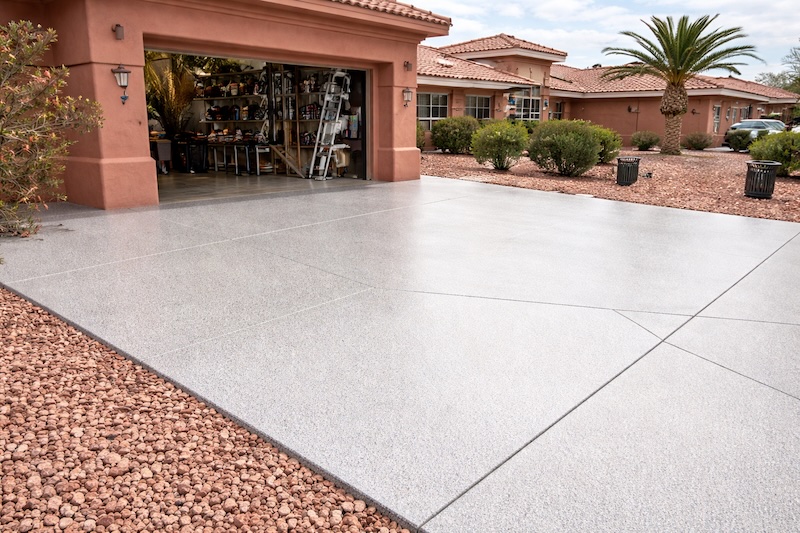
Concrete Coating in Arlington: Choosing the Right Finish for Texas Conditions
Concrete is one of the most practical materials for outdoor spaces, but even a well-installed surface eventually starts to show its age. In Arlington, driveways, patios, pool decks, porches, and walkways are exposed to intense Texas sun, temperature changes, rain, vehicle traffic, and everyday use. Over time, concrete can become faded, stained, rough, cracked, or simply outdated.
That is where concrete coating in Arlington can make sense.
A professionally installed coating or decorative overlay can refresh an existing surface without automatically removing the entire slab. Depending on the condition of the concrete and the desired appearance, homeowners can improve both the look and usability of the surface with a new textured, colored, or stone-inspired finish.
However, not every concrete surface is suitable for the same treatment. The right solution depends on the existing slab, the location, how the surface is used, and the conditions it needs to withstand.
What Is Concrete Coating?
Concrete coating is a broad term for systems installed over an existing concrete surface to improve its appearance, performance, or both.
Some coatings are primarily protective, while decorative overlay systems can substantially change the appearance of an old slab. A properly selected system can add color, texture, patterns, and a more finished appearance to otherwise plain concrete.
This makes coating useful for several parts of an Arlington property, including:
- Driveways
- Patios
- Pool decks
- Walkways
- Porches
- Garage and concrete areas
- Other suitable horizontal or vertical surfaces
It is important to distinguish a coating from simply painting concrete. Professional resurfacing systems are designed to bond with a properly prepared surface and provide a finished layer intended for the conditions where it will be installed.
For homeowners researching the subject, concrete resurfacing services are often worth considering when an existing slab looks worn but does not necessarily need complete replacement.
Why Arlington Concrete Needs the Right Coating System
Arlington’s outdoor concrete has to handle a demanding environment.
Summer temperatures can make exposed surfaces extremely hot, while strong sunlight and UV exposure can contribute to fading and surface deterioration. Seasonal weather changes and moisture can also put additional stress on exterior surfaces.
A driveway experiences another type of pressure: vehicle weight and repeated traffic. A pool deck has different requirements because water, bare feet, and slip resistance become important considerations.
A patio may be primarily concerned with appearance, comfort, and easy maintenance.
That is why choosing a coating should begin with the question: What does this particular surface need to do?
The best finish for a shaded patio is not automatically the best choice for a full-sun driveway.
Is Your Existing Concrete Suitable for Coating?
Before discussing colors and patterns, the condition of the existing concrete should be evaluated.
A coating or overlay generally makes the most sense when the underlying surface is stable enough to serve as a base. Minor surface imperfections can often be addressed during preparation, but serious structural problems require a different approach.
Signs an overlay may be appropriate
Your concrete may be a candidate if it has:
- Surface discoloration
- Cosmetic wear
- Minor cracking
- Staining
- An outdated finish
- Rough or unattractive texture
- General weathering
- A sound slab that needs a visual upgrade
When coating may not be enough
Be cautious if the concrete has widespread structural cracking, major settlement, significant sections that have broken away, exposed reinforcement, or substantial movement.
Covering a structurally unstable slab does not remove the cause of the problem.
This is one reason a professional assessment is valuable. A good project starts with deciding whether resurfacing is actually appropriate rather than assuming every damaged slab should be coated.
Concrete Coating vs. Complete Replacement
One of the biggest advantages of resurfacing is that it may allow homeowners to improve an existing slab without the disruption of full demolition.
Complete replacement involves removing the old concrete, dealing with the demolished material, preparing the base, and installing a new surface. That may be necessary when the slab has failed structurally, but it can be excessive when the existing concrete is still fundamentally sound.
A suitable overlay takes a different approach.
| Factor | Concrete Coating / Overlay | Full Replacement |
|---|---|---|
| Existing slab | Used as the base when suitable | Removed |
| Demolition | Usually limited | Required |
| Design options | Colors, textures and patterns | New surface can be fully redesigned |
| Best use | Worn but structurally suitable concrete | Severely damaged or unstable concrete |
| Disruption | Generally lower | Generally greater |
| Structural correction | Limited | Can address underlying slab problems |
The objective should not be to choose the cheapest option automatically. It is to choose the solution that matches the condition and purpose of the concrete.
Choosing a Finish for an Arlington Home
Decorative concrete coating gives homeowners more flexibility than a basic gray slab.
A finish can be selected to complement the home’s brick, stone, landscaping, exterior paint, or architectural style. Depending on the system, homeowners may consider natural-stone-inspired textures, custom colors, borders, or patterned surfaces.
For example, a traditional Arlington home with brick accents may look better with a warm stone-inspired finish than with a highly contrasting modern pattern.
A contemporary property may benefit from a cleaner, more restrained texture.
The goal is to make the concrete look intentional rather than simply “new.”
Why Carvestone Is an Interesting Option
Resistant Coating Solutions specializes in decorative concrete resurfacing and Carvestone overlay systems across the Dallas–Fort Worth area.
Carvestone is particularly distinctive because the finished surface can create a natural-stone appearance. According to the company’s published information, its Carvestone system combines natural Carvestone material with cement and polymer, and patterns can be cut or carved by hand rather than relying exclusively on conventional stamping.
That hand-carved approach can create variations in texture and pattern that make the finished surface feel less uniform.
Carvestone overlays can also be used for several outdoor applications, including driveways, patios, pool decks, and walkways, provided the existing surface is properly prepared and suitable.
The Most Important Part: Surface Preparation
Homeowners often focus heavily on the final color and pattern, but preparation is one of the most important factors affecting the finished result.
Before applying an overlay, the existing surface should be properly evaluated, cleaned, and prepared. Areas requiring repair should be addressed before the new system is installed.
Preparation can involve:
- Inspecting the existing concrete
- Identifying cracks and damaged areas
- Cleaning contaminants from the surface
- Repairing appropriate imperfections
- Preparing the concrete for proper bonding
- Applying the selected overlay system
- Creating the chosen texture or pattern
- Completing the appropriate finish
A beautiful material cannot compensate for poor preparation.
If a homeowner receives a quote that focuses heavily on the decorative finish but provides little information about surface preparation, that is worth questioning.
How Arlington’s Heat Affects Outdoor Coatings
Texas heat deserves specific attention when selecting an outdoor coating.
Dark colors can become extremely hot under direct summer sunlight. Texture also matters, particularly around swimming pools and areas where people walk barefoot.
Resistant Coating Solutions states that its outdoor resurfacing systems are selected with North Texas conditions in mind, including intense sun, temperature changes, and everyday outdoor use.
For homeowners, the practical takeaway is simple: ask how the proposed system is intended to perform in the actual location.
A driveway in full afternoon sun has different requirements from a covered porch. A pool deck needs different considerations from a decorative walkway.
Where Can Concrete Coating Be Used?
One advantage of decorative resurfacing is its versatility.
Driveways
A driveway is one of the most visible concrete surfaces on a property. A new texture or stone-inspired finish can improve curb appeal while refreshing worn concrete.
Explore driveway resurfacing solutions when the existing slab is suitable for restoration.
Patios
Patios benefit from decorative finishes because appearance is often just as important as durability. A coordinated pattern can help connect the patio with surrounding landscaping and outdoor furniture.
Pool Decks
Pool areas require particular attention to texture and surface comfort. A slip-resistant finish can be especially useful around wet areas.
For homeowners planning a pool renovation, pool deck resurfacing can be considered alongside other improvements.
Walkways and Porches
Walkways and porches can be resurfaced to create a more consistent appearance across the front or rear of the property.
How Long Does Concrete Coating Take?
There is no single timeline for every Arlington project.
The size of the area, existing concrete condition, preparation requirements, selected finish, and weather can all affect the schedule.
Resistant Coating Solutions indicates that many of its resurfacing projects can be completed within a few days, although the actual timeframe depends on the individual project.
Outdoor work also needs appropriate weather conditions. Homeowners should ask when the surface can safely be walked on and when vehicles or furniture can return to the area rather than relying only on the installation date.
How Should Coated Concrete Be Maintained?
A decorative surface still needs normal care.
Regular sweeping helps remove dirt and abrasive debris. Spills should be cleaned rather than left sitting on the surface for long periods. Outdoor areas may also benefit from occasional gentle cleaning to prevent accumulated grime from affecting their appearance.
Maintenance requirements vary according to the coating system and location, so homeowners should request specific care instructions from the installer.
It is also useful to ask whether the surface will eventually require resealing or another maintenance treatment.
Questions to Ask Before Hiring a Concrete Coating Contractor
Before approving a project, ask:
- Is my existing concrete structurally suitable?
- What preparation will be performed?
- How will existing cracks be handled?
- Which coating or overlay system is being recommended?
- Is the finish appropriate for outdoor Texas conditions?
- How will the surface perform under direct sunlight?
- What texture is recommended for my specific application?
- How long will installation take?
- When can the surface be used normally?
- What maintenance will be required?
- What problems would make replacement a better option?
These questions help shift the conversation from simply buying a decorative finish to understanding the entire project.
Choosing a Local Arlington Concrete Coating Solution
Resistant Coating Solutions lists Arlington among its Dallas–Fort Worth service areas, along with communities such as Dallas, Fort Worth, Frisco, Plano, Denton, Southlake, Lewisville, and others.
Its focus is decorative concrete resurfacing, concrete overlays, Carvestone systems, and related improvements for outdoor concrete surfaces.
For an Arlington homeowner, the most useful approach is to start with the existing slab rather than a particular product. Once the condition, location, drainage, traffic level, sun exposure, and desired appearance are understood, it becomes much easier to determine which resurfacing system makes sense.
Final Thoughts
Concrete coating can be a practical way to give an aging Arlington surface a new appearance without immediately resorting to complete replacement. The right system can introduce a more attractive texture, color, or stone-inspired design while improving the overall finish of an existing concrete area.
But the coating itself is only part of the equation.
The condition of the existing slab, preparation quality, local weather exposure, surface purpose, material selection, and ongoing maintenance all influence the result. A driveway, patio, and pool deck should not necessarily receive the same treatment.
For homeowners considering the project, the smartest first step is a proper evaluation of the existing concrete. If the slab is a suitable candidate, a professionally prepared decorative overlay can turn tired concrete into a more durable, attractive, and intentional part of an Arlington home’s exterior.