
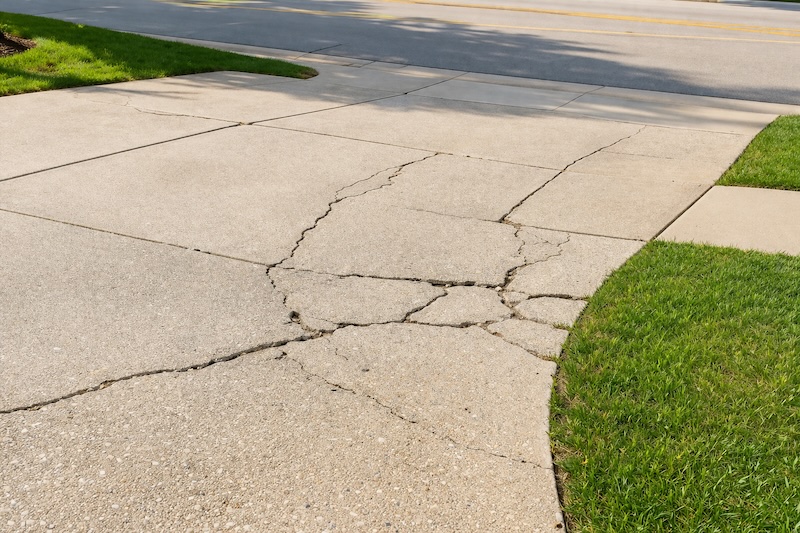
How to Fix Cracked Concrete Driveways: A Practical Guide for Homeowners
Cracks in a concrete driveway can start as small hairline lines and gradually become wider, deeper, and more noticeable. While some cracks are harmless signs of normal concrete shrinkage, others indicate problems with the ground beneath the slab, poor drainage, or repeated exposure to changing temperatures and heavy loads.
The right repair depends on understanding why the concrete cracked in the first place. Filling a narrow, stable crack can be a straightforward DIY project, but a driveway with uneven sections, recurring cracks, or crumbling concrete may require professional assessment.
For homeowners in Dallas–Fort Worth, Texas, intense summer heat, occasional heavy rainfall, and shifting soil conditions can make driveway maintenance particularly important. Knowing when to repair, resurface, or replace the concrete helps prevent unnecessary expenses and improves the appearance of your property’s entrance.
This guide explains how to fix cracked concrete driveways, which materials to use, common mistakes to avoid, and when a professional concrete resurfacing solution may be appropriate.
Why Do Concrete Driveways Crack?
Concrete is strong under compression but can crack when it experiences movement, tension, shrinkage, or uneven support. Identifying the likely cause helps you choose a repair that lasts.
Common causes include:
- Natural shrinkage: Concrete loses moisture as it cures, sometimes creating fine cracks.
- Ground movement: Expansive clay soils, uneven settling, or poorly compacted fill can cause sections of a driveway to move.
- Water drainage problems: Water flowing beneath the slab can erode supporting soil, creating unsupported areas.
- Heavy loads: Vehicles heavier than the driveway was designed to support can contribute to cracking.
- Temperature changes: Heat, cooling, and seasonal weather changes cause concrete to expand and contract.
- Poor installation: An inadequate concrete mix, insufficient slab thickness, or poorly planned joints can increase cracking risk.
In North Texas, clay-rich soils can expand when wet and shrink during dry periods. Combined with summer heat and sudden rainfall, this movement can put additional stress on driveway slabs.
Before repairing a crack, look at its width, direction, location, and whether the surrounding concrete has changed height.
How to Fix Cracked Concrete Driveways Step by Step
The following method is suitable for many small, stable cracks. It is not appropriate for every type of damage, particularly cracks caused by active ground movement or major structural problems.
Step 1: Inspect the Crack and Assess the Damage
Begin by cleaning the area enough to see the full length of the crack. Check whether it runs across the slab, follows a joint, or branches into several directions.
Look for warning signs such as:
- One side of the crack sitting higher than the other.
- Cracks that continue widening after previous repairs.
- Loose concrete, crumbling edges, or deep holes.
- Water collecting near the damaged section.
- Several connected cracks across a large area.
A narrow crack in an otherwise level driveway may only need filling. A wide crack with vertical displacement suggests movement that a surface-level repair will not solve.
If a crack is rapidly expanding, creates a trip hazard, or appears to affect the driveway’s stability, arrange a professional inspection before proceeding.
Step 2: Choose the Right Crack Repair Material
Selecting the correct product is essential because driveway concrete experiences vehicle loads, weather exposure, and repeated temperature changes.
| Type of damage | Suitable repair approach | Important consideration |
|---|---|---|
| Fine, stable hairline crack | Compatible concrete crack filler or repair coating | Very narrow cracks may need a product specifically designed for them |
| Narrow to moderate stable crack | Flexible polyurethane or suitable concrete crack sealant | Follow the manufacturer’s width and depth limits |
| Wider, stable crack with sound edges | Exterior-rated concrete repair compound or patching material | Prepare the crack as directed on the product label |
| Crumbling or shallow surface damage | Suitable concrete patching compound | Remove loose material before patching |
| Cracks along movement joints | Compatible joint sealant | Preserve the joint’s ability to move |
| Cracks with sinking or raised slabs | Professional assessment and possible slab correction or replacement | Filling alone will not correct movement |
| Extensive cracking across an aging slab | Evaluation for resurfacing or replacement | The existing concrete must be suitable for the proposed treatment |
Not every product works with every crack. Rigid patching compounds may fail when applied to joints that need to expand and contract. Flexible sealants are generally more appropriate for joints and certain moving cracks, provided the product is designed for that application.
Step 3: Clean and Prepare the Damaged Area
A repair material cannot bond properly to dust, oil, loose concrete, or other contaminants.
- Remove leaves, dirt, and loose debris using a stiff brush.
- Remove deteriorated concrete carefully without damaging the surrounding slab.
- Use a suitable vacuum or other recommended cleaning method to remove remaining dust.
- Clean away oil or grease with a compatible concrete cleaner.
- Allow the area to reach the moisture condition specified by the repair product.
Some repair materials require a dry surface, while others permit damp concrete. Always follow the manufacturer’s preparation instructions rather than assuming every filler works the same way.
Avoid using excessive force with a chisel or power tool, especially around narrow cracks. Aggressive preparation can enlarge the damage unnecessarily.
Step 4: Apply the Crack Filler or Repair Compound
For a typical stable crack, apply the selected material according to its instructions.
With a flexible crack sealant, use the recommended application nozzle to fill the prepared crack without trapping air. Some products require backer rod material in deeper gaps to control sealant depth.
For a wider crack suitable for a rigid repair compound, prepare and apply the material according to the specified mixing ratio, thickness, and placement instructions. Do not simply spread a thin layer over the crack’s surface if the product requires a deeper repair.
Smooth the surface to match the surrounding driveway as closely as possible. Remove excess material before it cures, following the product instructions.
Important: A filled crack may remain visible. Concrete fillers often differ from the original slab in color and texture, particularly on older or weathered driveways. The primary goal of crack repair is to address the damage and reduce water entry, not necessarily make the repair invisible.
Step 5: Allow the Repair to Cure Properly
Curing and drying times vary by material, temperature, humidity, and crack depth.
Keep vehicles and foot traffic off the repaired area for the period specified by the manufacturer. Protect fresh repairs from rain, standing water, and extreme temperatures when the product instructions require it.
In Dallas–Fort Worth, hot concrete and direct summer sunlight can affect how quickly certain repair products cure. Working during a suitable part of the day and following the product’s temperature limits can help produce a more reliable result.
Do not assume a repair is ready for a vehicle simply because the surface feels dry. The material may need additional time to develop its intended performance.
When Should You Repair, Resurface, or Replace a Concrete Driveway?
Filling individual cracks is not always the most practical solution. If the surface has widespread damage, repeated patching may leave the driveway looking uneven while failing to address the underlying problem.
Repair Individual Cracks
This is usually suitable for isolated, stable cracks in an otherwise sound and level driveway. It is often the simplest and least disruptive option when the surrounding concrete remains in good condition.
Resurface the Existing Concrete
Consider resurfacing when the slab remains structurally suitable but the surface looks worn, faded, or outdated. A compatible overlay can create a refreshed appearance without automatically requiring complete slab removal.
However, resurfacing is not a substitute for correcting structural movement. If the driveway continues to settle or the underlying cause of cracking remains, cracks may reappear through the new finish.
A professional should assess the slab’s stability, moisture conditions, existing coatings, crack movement, and suitability for bonding before recommending an overlay.
For homeowners exploring this option, concrete resurfacing services provide a relevant starting point for understanding the available approaches in the Fort Worth area.
Replace Damaged Sections or the Entire Slab
Replacement may be necessary when concrete is severely broken, significantly displaced, extensively deteriorated, or unsupported by stable ground. Drainage and subgrade issues should be addressed before new concrete is installed.
Common Mistakes to Avoid When Repairing Driveway Cracks
Even a good repair product can fail when the preparation or application is unsuitable.
- Filling dirty cracks: Dust and loose concrete interfere with adhesion.
- Using the wrong filler: A rigid compound may crack again when applied to a moving joint.
- Ignoring drainage: Water that continues to collect around the driveway can contribute to further deterioration.
- Covering unstable concrete: An overlay cannot reliably correct a slab that is actively settling or shifting.
- Applying products in unsuitable weather: Temperature and moisture conditions can affect bonding and curing.
- Driving on the repair too early: Premature loading can damage material before it reaches the required strength.
- Ignoring recurring cracks: Repeated failure in the same location may indicate a deeper problem that needs investigation.
Another common mistake is treating every crack as an emergency. Some fine, stable cracks are primarily cosmetic. Monitoring their width, documenting changes, and addressing water entry can help you determine whether the damage is progressing.
How to Prevent Concrete Driveway Cracks from Getting Worse
Although cracking cannot always be prevented, routine maintenance can reduce avoidable damage.
Keep water moving away from the driveway. Check downspouts, nearby drains, and landscaping to make sure water does not repeatedly collect beside or beneath the slab.
Seal suitable cracks promptly. A compatible sealant can help reduce water penetration in stable cracks. It will not eliminate movement caused by unstable soil.
Avoid excessive loading. Do not regularly park unusually heavy vehicles or equipment on a driveway that was not designed to support them.
Maintain joints. Expansion and control joints serve specific purposes in concrete slabs. Keep them functional and use suitable sealants where required rather than filling them with rigid material.
Inspect the surface periodically. Check for widening cracks, loose edges, drainage problems, and changes in slab height, particularly after periods of heavy rain or prolonged dry weather.
Choose repairs suited to local conditions. In North Texas, products and resurfacing systems should be appropriate for exterior concrete exposed to heat, sunlight, rain, and temperature fluctuations.
What Does It Cost to Fix a Cracked Concrete Driveway?
The cost depends on the type of damage, the repair material, the size of the affected area, and whether professional preparation is necessary.
Small DIY repairs may require only a suitable filler, cleaning materials, and basic tools. Wider cracks may require additional preparation, backer rod, patching compounds, or professional labor.
Resurfacing costs depend on the driveway’s area, surface condition, preparation requirements, chosen finish, and repair work needed before installation. Replacing concrete generally involves additional demolition, disposal, subgrade preparation, and new concrete placement.
Rather than relying on a single price per crack, assess the full scope of work. A cheap patch that repeatedly fails may cost more over time than addressing the underlying problem properly.
For a driveway in the Dallas–Fort Worth area, Resistant Coating Solutions offers information about driveway resurfacing and concrete overlay options. The appropriate solution depends on the condition of the existing slab; not every cracked driveway is suitable for resurfacing.
Frequently Asked Questions
Can I repair a cracked concrete driveway myself?
Yes. Many small, stable cracks can be repaired with an exterior-rated crack filler or compatible patching compound. Wider cracks, uneven slabs, recurring damage, and suspected ground movement warrant professional assessment.
Should I fill hairline cracks in concrete?
It depends on the crack and the repair product. Some very fine cracks may be too narrow for conventional fillers. Use a product specifically designed for the crack’s dimensions and monitor the area for changes.
Will concrete resurfacing cover existing cracks?
A compatible overlay can renew the appearance of suitable concrete after appropriate preparation. However, existing cracks may reappear if the slab moves. Crack treatment and structural suitability must be evaluated before resurfacing.
When is a cracked driveway beyond repair?
A driveway may need partial or full replacement if it has extensive structural cracking, substantial vertical displacement, severe deterioration, or persistent settlement that cannot be corrected through a suitable repair method. A professional assessment helps determine the best option.
How long does driveway crack repair last?
There is no single lifespan for all repairs. Durability depends on the repair material, preparation, weather exposure, vehicle loading, drainage, and whether the original cause of cracking has been addressed.
Conclusion
Fixing a cracked concrete driveway starts with identifying the type of damage and understanding why it occurred. Small, stable cracks can often be treated with the right filler and careful preparation, while moving cracks, uneven slabs, and widespread deterioration may require a more comprehensive solution.
For homeowners in Dallas–Fort Worth, managing drainage and considering local heat and soil conditions are important parts of long-term driveway maintenance. If the concrete remains structurally sound but has become worn or unattractive, resurfacing may offer another option to explore.
The most effective approach is to repair the cause as well as the visible damage. A careful assessment, suitable materials, and correct application can help protect the driveway, improve curb appeal, and reduce the likelihood of repeated repairs.