
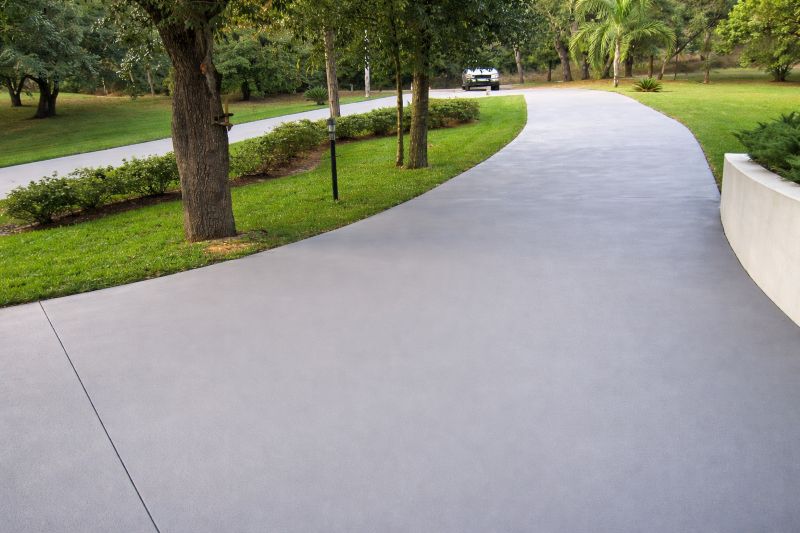
How Much Does Concrete Resurfacing Cost per Sq Ft?
Concrete resurfacing is a practical way to improve the appearance of worn patios, pool decks, driveways, and walkways without automatically removing the entire concrete slab. For homeowners in Dallas–Fort Worth, it can also be an opportunity to create a more attractive outdoor space that suits the demands of North Texas weather.
But how much does concrete resurfacing cost per square foot?
As a preliminary budgeting guide, basic concrete resurfacing may cost around $3–$7 per sq ft, while decorative overlays and more customized finishes can range from approximately $5–$15 or more per sq ft. Premium decorative systems, extensive repairs, difficult access, and intricate designs can push the price higher. These are broad US planning ranges, not fixed local prices; the precise cost depends on the chosen system and the condition of the existing concrete.
Understanding what is included in the price can help you compare estimates, avoid unexpected expenses, and choose a resurfacing solution that offers lasting value.
How Much Does Concrete Resurfacing Cost per Square Foot?
The cost of resurfacing depends primarily on the finish, preparation work, size of the project, and condition of the existing slab.
The following figures provide an initial guide for residential projects. They are illustrative estimates, not verified quotations for a specific property in Dallas–Fort Worth.
| Type of concrete resurfacing | Estimated cost per sq ft |
|---|---|
| Basic concrete resurfacing | $3–$7 |
| Decorative concrete overlay | $5–$12 |
| Textured or patterned overlay | $6–$15+ |
| Premium stone-look decorative finish | $8–$18+ |
| Extensive preparation and repair | Additional cost depending on damage |
These categories can overlap because different contractors use different materials and installation methods. A premium stone-look system, for example, is not directly comparable with a thin, basic resurfacing product.
Ask whether the quoted rate includes surface preparation, crack repairs, materials, decorative detailing, sealing, and cleanup. A lower price may cover only part of the work.
Example: Estimating the Cost of a Resurfacing Project
Suppose you want to resurface a 600-square-foot patio.
At an illustrative installed rate of $8 per square foot, the calculation would be:
600 sq ft × $8 = $4,800
If the selected finish costs $12 per square foot, the same area would cost $7,200 before any separately charged repairs or additional work.
These examples show why choosing a finish before comparing quotes is important. The same patio can have substantially different prices depending on the materials, design, and preparation required.
What Affects Concrete Resurfacing Costs?
Two projects with identical dimensions can have very different budgets. The following factors help explain why.
1. Condition of the Existing Concrete
The condition of the slab is one of the most important cost considerations. Resurfacing generally works best when the existing concrete is stable and structurally suitable for an overlay.
Minor surface wear, discoloration, and some repairable imperfections may be manageable. However, significant movement, widespread structural cracking, sinking sections, or severe deterioration can require additional work.
Before installation, a contractor should assess whether cracks need repair, damaged areas require removal, or underlying drainage issues must be addressed.
Covering a problem without correcting its cause may result in premature failure and additional expenses.
2. Size and Shape of the Area
Larger projects can offer a lower average cost per square foot because some setup, equipment, and mobilization expenses are spread across more area.
Smaller projects may have a higher per-square-foot rate because contractors still need to prepare the site, transport materials, and organize installation.
Shape also matters. A large rectangular patio is generally more straightforward to work on than a narrow walkway with numerous corners, steps, edges, and obstacles.
3. Choice of Overlay and Finish
The material and finish you select influence both installation costs and the final appearance.
A basic resurfacing system may be suitable when the goal is to refresh a plain concrete surface. Decorative overlays offer more flexibility for homeowners who want a customized outdoor design.
For example, a textured finish can help create visual interest around a pool, while a hand-carved, stone-inspired surface can give a patio a more distinctive appearance.
Resistant Coating Solutions provides decorative concrete resurfacing and Carvestone overlay options across Dallas–Fort Worth. Homeowners considering a premium finish can explore the company’s Carvestone overlay and concrete resurfacing services in Dallas to understand the available approach and applications.
4. Surface Preparation and Repairs
Preparation is not simply an optional extra. It helps determine whether the new overlay can bond properly to the existing surface.
Depending on the project, preparation may include cleaning, removing unsuitable coatings, grinding, repairing cracks, treating damaged areas, and addressing contaminants.
Pool decks may need particular attention because of prolonged moisture exposure, chemical residue, and changing outdoor conditions. Driveways can require additional assessment where vehicle loads or existing settlement have affected the slab.
Ask for preparation and repair costs to be itemized so you can understand exactly what the estimate includes.
5. Access, Edges, and Additional Details
A straightforward patio is usually easier to resurface than an area surrounded by landscaping, walls, pool equipment, or difficult-to-reach sections.
Steps, vertical surfaces, decorative borders, intricate patterns, and transitions between different materials may require additional labor. These details should be included in the project assessment rather than assumed to be part of a standard square-foot rate.
Concrete Resurfacing Costs by Project Type
The purpose of the surface also affects the appropriate material, finish, and installation requirements.
| Project type | Main cost considerations | What to assess |
|---|---|---|
| Pool deck | Texture, moisture exposure, surface preparation | Wet-foot traction, comfort, drainage |
| Patio | Decorative finish, layout, existing damage | Appearance, maintenance, outdoor use |
| Driveway | Vehicle loads, repairs, surface suitability | Structural condition and durability |
| Walkway | Edges, slopes, access, trip hazards | Safe transitions and drainage |
| Porch or entry | Steps, borders, vertical details | Appearance, access, and slip resistance |
Pool Deck Resurfacing
Pool decks need careful consideration because the surface is frequently exposed to water, pool chemicals, direct sunlight, and temperature changes.
A decorative overlay may improve the appearance of an aging deck while providing a finish selected for the intended outdoor use. However, no finish should be assumed to be slip-proof or immune to heat. Ask about wet traction, barefoot comfort, cleaning requirements, and performance under local conditions.
For homeowners researching local options, pool deck resurfacing in Carrollton, Texas is a relevant internal resource.
Patio Resurfacing
Patios often provide more flexibility in design because they are used primarily for relaxing, dining, and entertaining. A homeowner may choose a relatively simple finish or invest in a decorative overlay that complements the home’s exterior.
For properties in Dallas–Fort Worth, consider exposure to intense sunlight, rain, and seasonal temperature changes when selecting materials.
If you are planning an outdoor renovation, patio resurfacing and decorative concrete overlays is a useful starting point for exploring the company’s resurfacing services.
Driveway Resurfacing
Driveways require particular attention to the condition and load-bearing performance of the existing concrete. A decorative coating should not be treated as a solution for a structurally failing slab.
Before proceeding, ask whether the existing surface is suitable for the selected system and whether any movement, settlement, or damaged sections need to be corrected.
The cheapest option is not necessarily the most economical if the surface requires substantial repairs soon after installation.
Is Concrete Resurfacing Cheaper Than Replacing Concrete?
In many cases, resurfacing can cost less than removing and replacing an existing concrete surface because it avoids much of the demolition, disposal, and reconstruction work.
However, the comparison depends on the condition of the slab and the scope of each option.
| Consideration | Concrete resurfacing | Full concrete replacement |
|---|---|---|
| Existing slab | Must be suitable for an overlay | Removed if replacement is necessary |
| Demolition | Usually limited | Generally required |
| Design choices | Vary by overlay system | Vary by new concrete finish |
| Project disruption | Often lower | Often greater |
| Structural problems | Must be assessed and addressed | Can allow reconstruction of the affected area |
| Cost | Often lower when the slab is suitable | Can be higher due to removal and reconstruction |
Resurfacing is not always the right choice. If the concrete has substantial structural damage, widespread settlement, or an underlying problem that cannot be corrected adequately, replacement may be the more sensible long-term solution.
A professional assessment can help establish whether resurfacing is appropriate before you commit to either option.
How to Get an Accurate Concrete Resurfacing Quote in Dallas–Fort Worth
Online estimates are useful for planning, but an accurate price requires details about your property.
Use these steps to prepare for a quotation:
- Measure the surface. Record the approximate length and width of the patio, pool deck, driveway, or walkway. Divide irregular areas into smaller sections and add their square footage.
- Document visible damage. Note cracks, flaking, uneven sections, standing water, and areas where the concrete appears to be deteriorating.
- Choose your preferred finish. Decide whether you want a simple refresh, a textured overlay, or a decorative stone-inspired appearance.
- Request an assessment. Ask the contractor to check the slab’s suitability and identify necessary repairs.
- Compare complete estimates. Review preparation, materials, labor, repairs, finishing, sealing where applicable, and cleanup—not just the headline price.
- Confirm maintenance and curing requirements. Find out when the surface can be walked on or driven over and how it should be maintained.
For local homeowners, Resistant Coating Solutions specializes in decorative concrete resurfacing and overlay systems for pool decks, patios, driveways, and walkways throughout the Dallas–Fort Worth area.
When requesting an estimate, provide the surface dimensions, a few photographs, your preferred finish, and the property’s location. These details can help the contractor determine the next steps and whether an on-site inspection is needed.
Frequently Asked Questions
How much does it cost to resurface 1,000 square feet of concrete?
Using an illustrative installed rate of $5–$12 per square foot, resurfacing 1,000 square feet would cost approximately $5,000–$12,000. Premium finishes, repairs, and difficult site conditions can increase the total.
Does concrete resurfacing fix cracks?
Some minor cracks may be repairable before resurfacing, but not every crack can be permanently concealed. Active movement, settlement, and structural damage need proper evaluation because they may cause cracks to reappear.
How long does concrete resurfacing last?
The lifespan depends on the overlay system, preparation quality, slab condition, weather exposure, traffic, and maintenance. Ask the installer about expected service life, warranty coverage, and recommended maintenance for the specific product.
Can you resurface concrete in Texas heat?
Yes, resurfacing can be performed in Texas, but temperature, direct sunlight, humidity, and wind can affect installation and curing. Contractors should follow the material manufacturer’s requirements and schedule work under suitable conditions.
Is concrete resurfacing worth the cost?
It can be worthwhile when the existing slab is stable and the goal is to improve its appearance or surface characteristics without full replacement. Its value depends on the installation cost, expected lifespan, maintenance requirements, and suitability of the chosen finish.
Conclusion
Concrete resurfacing can cost approximately $3–$7 per square foot for basic applications, with decorative overlays commonly reaching $5–$15 or more per square foot. These ranges are useful for initial budgeting, but the final price depends on the existing concrete, surface preparation, chosen finish, project size, and installation requirements.
For Dallas–Fort Worth homeowners, the best starting point is to assess the condition of the concrete and decide how the finished area needs to look and perform. Compare detailed estimates, clarify what is included, and avoid choosing a contractor based on price alone.
When the existing slab is suitable, a well-planned resurfacing project can renew an outdoor space without the disruption of full replacement. A site-specific assessment from Resistant Coating Solutions can help you understand the available finishes and determine the right approach for your property.