
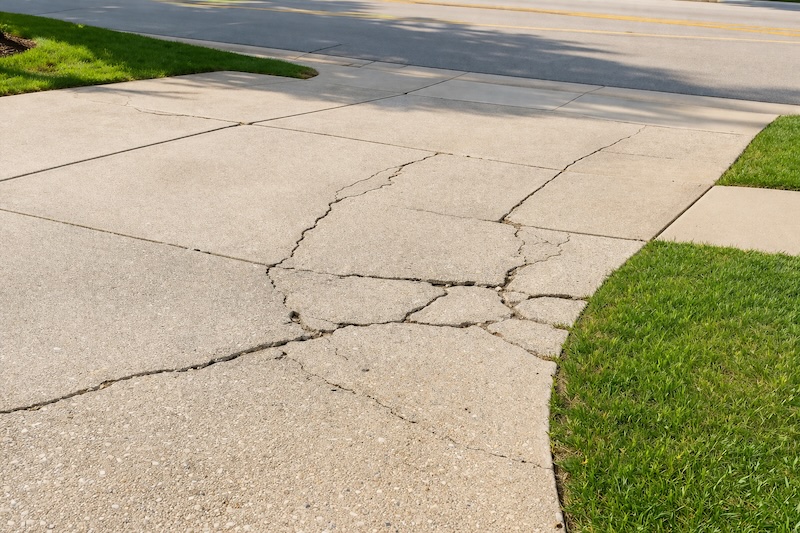
How to Fix Cracked Concrete Driveways 🔥
A cracked concrete driveway is more than just an eyesore—it can reduce your home’s curb appeal, create safety hazards, and lead to more expensive repairs if ignored. Over time, exposure to weather, heavy vehicles, and natural ground movement can cause cracks to appear and worsen.
The good news? Most driveway cracks can be repaired effectively without replacing the entire surface.
In this comprehensive guide, you’ll learn how to fix cracked concrete driveways, the best repair methods, and how to prevent future damage—all explained in a simple, practical way.
Why Do Concrete Driveways Crack?
Before fixing the problem, it’s important to understand what causes it.
Common causes include:
- Weather changes (expansion and contraction)
- Heavy loads (vehicles, equipment)
- Poor installation
- Soil movement or settling
- Water damage and poor drainage
👉 Identifying the cause helps you choose the right repair solution.
Types of Concrete Driveway Cracks
Not all cracks are the same, and each type requires a different approach.
1. Hairline Cracks
- Thin and shallow
- Usually cosmetic
2. Medium Cracks (1/8″–1/4″)
- Slightly deeper
- May allow water penetration
3. Wide or Deep Cracks
- Structural concern
- Often caused by stress or shifting
4. Settled or Uneven Sections
- Indicates foundation issues
- Requires more advanced repair
Tools and Materials You’ll Need
To fix driveway cracks effectively, gather the right materials:
- Concrete crack filler or sealant
- Concrete patch mix
- Caulking gun
- Wire brush
- Pressure washer or hose
- Chisel and hammer
- Trowel
Using quality materials ensures long-lasting results.
Step-by-Step Guide to Fix Cracks
Step 1: Clean the Crack Thoroughly
Preparation is the most important step.
- Remove dirt, debris, and loose concrete
- Use a wire brush for stubborn particles
- Wash with water and allow it to dry
👉 A clean surface ensures proper bonding.
Step 2: Prepare the Crack
For better results:
- Widen the crack slightly using a chisel
- Create a “V” shape
This helps the filler penetrate deeper and stay in place longer.
Step 3: Apply Concrete Crack Filler
For small to medium cracks:
- Use a high-quality crack filler
- Apply evenly using a caulking gun
- Fill from bottom to top
Smooth the surface with a trowel.
Step 4: Use Patch Mix for Larger Cracks
For wider cracks:
- Mix concrete patch material
- Apply in layers
- Compact it properly
👉 This restores both strength and structure.
Step 5: Smooth and Blend the Surface
- Level the repaired area
- Blend it with the surrounding concrete
This improves both durability and appearance.
Step 6: Allow Proper Curing
- Let the repair cure for 24–48 hours
- Avoid heavy use during this time
Proper curing is essential for long-lasting repairs.
Fixing Uneven or Sunken Driveways
Sometimes cracks are caused by underlying issues.
Effective solutions include:
1. Mudjacking
- Pumps a slurry beneath the slab
- Lifts the concrete back into place
2. Polyurethane Foam Injection
- Expands under the slab
- Provides long-lasting leveling
👉 These methods address the root cause, not just the surface.
When to Resurface Instead of Repair
If your driveway has multiple cracks or surface wear, repairing individual cracks may not be enough.
Consider resurfacing if:
- Cracks are widespread
- Surface is faded or worn
- You want a fresh, modern look
Resurfacing adds a new layer over the existing concrete, improving both durability and aesthetics.
When Replacement Is Necessary
In some cases, repairs won’t solve the problem.
Replacement is required if:
- Cracks are deep and extensive
- The foundation is unstable
- Drainage issues persist
👉 Replacement is a bigger investment but ensures long-term stability.
Preventing Future Cracks
Prevention is key to maintaining your driveway.
Follow these tips:
✅ Seal the Surface
Protects against moisture and weather damage
✅ Improve Drainage
Avoid water pooling around the driveway
✅ Avoid Heavy Loads
Reduce stress on the surface
✅ Clean Regularly
Prevents buildup that weakens concrete
Common Mistakes to Avoid
Avoid these common errors:
- Ignoring small cracks
- Using low-quality materials
- Skipping surface preparation
- Not allowing proper curing
👉 These mistakes can lead to repeated repairs.
Why Professional Expertise Matters
While DIY repairs can handle minor cracks, professional expertise is crucial for long-term results.
Your client’s business specializes in concrete driveway repair and resurfacing, offering:
- Accurate damage assessment
- Advanced repair techniques
- High-quality materials
- Long-lasting, visually appealing finishes
Their experience ensures that repairs are not only effective but also durable and aesthetically pleasing.
Cost of Fixing Cracked Driveways
Costs vary depending on the severity of damage.
Average costs:
- Small crack repair: Low cost
- Medium cracks: Moderate cost
- Major repairs or leveling: Higher cost
- Resurfacing: More affordable than replacement
👉 Early repairs are always more cost-effective.
Is DIY Repair Enough?
DIY works best for:
- Hairline cracks
- Minor surface damage
Professional help is needed for:
- Large cracks
- Uneven slabs
- Structural issues
Choosing the right approach saves time and money.
Final Thoughts
Fixing cracked concrete driveways is essential to maintaining both the appearance and functionality of your property. Whether you’re dealing with small surface cracks or more serious damage, the right repair method can restore your driveway effectively.
👉 Small cracks can be fixed easily with fillers
👉 Larger cracks require patching or leveling
👉 Severe damage may need resurfacing or replacement
The key is to act early and choose the right solution.
For the best results, combining proper maintenance with expert services—like those provided by your client’s business—ensures your driveway remains strong, safe, and visually appealing for years to come.
Take action today, and protect your driveway before minor cracks turn into major problems.
FAQ
1. What is the best way to fix cracks in a concrete driveway?
The best method depends on the crack size. Small cracks can be repaired using concrete crack fillers, while larger cracks require patching compounds or professional repair techniques.
2. Can I repair driveway cracks myself?
Yes, DIY repair works well for hairline and small cracks. However, larger cracks, uneven surfaces, or structural issues should be handled by professionals.
3. How long do concrete driveway repairs last?
With proper repair and maintenance, fixes can last several years, especially if the surface is sealed and protected from moisture and heavy wear.
4. When should I resurface instead of repairing cracks?
You should consider resurfacing when there are multiple cracks, surface wear, or fading, as it provides a fresh, durable layer over the entire driveway.
5. What causes concrete driveways to crack?
Common causes include:
- Weather changes (expansion and contraction)
- Heavy vehicle loads
- Soil movement
- Poor drainage
- Improper installation