
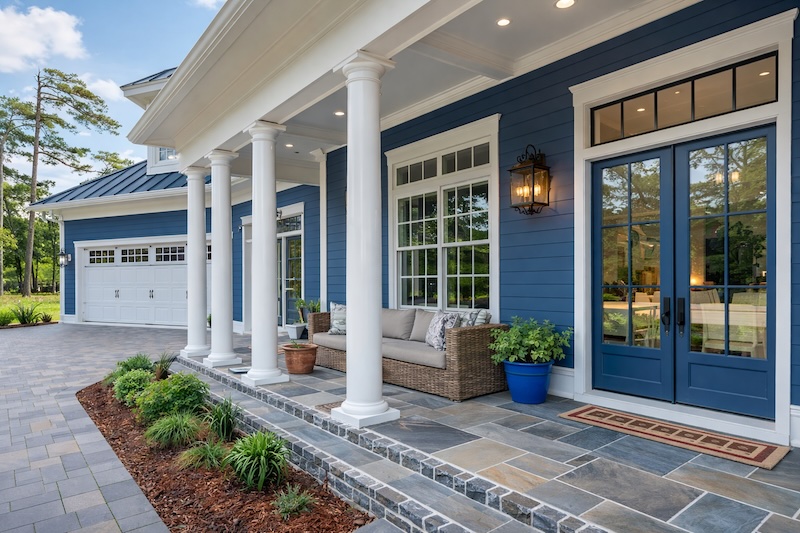
Porch Resurfacing Ideas to Boost Curb Appeal
Your porch is one of the first things people notice about your home. Even when the landscaping is tidy and the exterior paint looks fresh, a faded, cracked, or stained concrete porch can make the entire property look neglected. The good news is that you do not always need to replace the existing concrete to improve its appearance. The right resurfacing treatment can give an old porch a cleaner, more attractive finish while making it easier to maintain.
Choosing the best porch resurfacing idea depends on the condition of the concrete, your home’s architectural style, how much foot traffic the area receives, and the weather it must withstand. In Texas, for example, intense sunlight, temperature changes, rain, and moisture can affect the durability of exterior surfaces.
Whether you want a modern entrance, a natural stone appearance, or a simple improvement that complements your existing home, several resurfacing options can help you achieve the result you want. This guide explores practical design ideas, material considerations, preparation tips, and ways to decide when professional resurfacing makes sense.
Why Porch Resurfacing Can Make Such a Difference
Porch resurfacing involves applying a suitable new finish or overlay to an existing concrete surface rather than removing and replacing the entire slab. When the underlying concrete is structurally sound, resurfacing can improve its appearance without the cost and disruption associated with complete replacement.
It can help address minor surface imperfections, discoloration, worn finishes, and small cosmetic defects. Depending on the selected system, homeowners can also introduce decorative patterns, new colors, or a more textured surface.
However, resurfacing is not a solution for every concrete problem. Significant movement, deep structural cracks, extensive spalling, or persistent water intrusion should be assessed before a new finish is applied.
The most successful project combines a suitable surface treatment with proper preparation and attention to drainage.
7 Porch Resurfacing Ideas to Boost Curb Appeal
1. Create a Natural Stone Appearance
A stone-inspired finish is an excellent option if you want your porch to look elegant without installing individual stone pieces. Decorative concrete overlays can be colored, textured, or stamped to imitate materials such as slate, flagstone, or natural stone.
For a traditional Texas home, warm beige, sandstone, and muted brown tones can complement brickwork and earth-colored exterior finishes. Contemporary homes may look better with charcoal gray, cool gray, or subtle variations in stone-inspired patterns.
The pattern matters as much as the color. Larger, irregular shapes can create a natural appearance, while more uniform patterns provide a cleaner, more formal look.
Practical tip: Request a sample or mock-up before choosing the final color. Outdoor lighting, nearby brick, and the home’s existing paint can make a finish appear different from a small indoor sample.
2. Choose a Modern Gray Concrete Finish
A smooth, understated gray finish works particularly well with contemporary homes, minimalist architecture, and neutral exterior color schemes.
Rather than choosing a completely flat, uniform gray, consider a lightly mottled finish or subtle tonal variation. This can help the porch look more refined while making ordinary dust and minor surface marks less noticeable.
A medium gray often offers a useful balance between appearance and maintenance. Very dark surfaces may become hotter in direct sunlight, while very light finishes can show certain stains more clearly.
The application method should suit the existing concrete and the exposure conditions. A decorative overlay can refresh the surface, but the finish must be designed for exterior use and appropriate slip resistance.
3. Use a Stamped Concrete Overlay
Stamped overlays can introduce the appearance of brick, stone, tile, or other decorative patterns to an existing concrete porch.
This approach is especially useful when the current slab is structurally sound but visually plain. A brick-inspired pattern can complement a traditional home, while a slate pattern may work better with a modern entrance.
Color combinations can also change the overall effect. A single, consistent shade creates a restrained appearance, whereas a base color with carefully applied accent tones can provide more depth.
Stamped finishes require skilled installation to maintain a consistent pattern and realistic texture. The surface must also remain comfortable to walk on and suitable for the porch’s exposure to rain.
Before selecting a pattern, consider the size of the porch. Intricate designs can look crowded on a small entrance, while larger patterns may suit wider front porches.
4. Refresh the Porch With a Decorative Concrete Finish
Sometimes the most effective improvement is not an elaborate pattern but a clean, coordinated finish.
A decorative concrete resurfacing system can introduce a new color, a subtle texture, or a more consistent appearance across an aging porch. This is worth considering when the existing surface has uneven coloration or minor cosmetic wear but does not need major structural repairs.
Choose a finish that complements the surrounding exterior rather than competing with it. For example, a warm neutral porch can connect a brick facade with timber-style doors, while a cooler gray finish can work well with white siding and dark window frames.
Decorative finishes can also help visually connect the porch to an adjoining walkway, provided both surfaces are suitable for the selected treatment.
Before installation, confirm whether the proposed system is intended for exterior concrete, direct sunlight, and the expected moisture conditions.
5. Add Texture for a Safer, More Practical Surface
A beautiful porch must also be usable in wet weather. A very smooth surface may become slippery when rainwater collects on it, particularly near steps or entrances.
Textured resurfacing systems can offer a practical balance between appearance and traction. Depending on the product, texture may be incorporated through the overlay itself or created using an appropriate finishing technique.
Avoid choosing a finish based on appearance alone. Extremely rough textures can be uncomfortable underfoot and may make sweeping or removing dirt more difficult.
For a frequently used entrance, aim for a surface that offers suitable slip resistance without creating an unnecessarily coarse walking area.
Important: No decorative texture guarantees a slip-free surface. Performance depends on the complete system, installation quality, maintenance, footwear, and the presence of water or contaminants.
6. Coordinate the Porch With the Front Walkway
A porch can look disconnected from the rest of the property when its finish clashes with the driveway, front path, or exterior steps.
Resurfacing provides an opportunity to create a more cohesive entrance. You might choose a complementary color for the porch and walkway, repeat a stone-inspired pattern, or use a simple border to distinguish the entrance from the main walking area.
For example, a medium-gray porch with a slightly lighter walkway can create visual definition without introducing too many competing colors. A warm, stone-inspired finish can also tie together brick walls, landscaping, and a concrete path.
However, adjoining surfaces do not necessarily require identical treatments. Different areas may experience different amounts of sunlight, moisture, vehicle traffic, or movement. Each surface should be evaluated for compatibility before the same overlay system is applied.
7. Use a Border or Accent Design
A decorative border can make an ordinary porch look more carefully designed without covering the entire surface in an elaborate pattern.
Options include a contrasting perimeter, a subtle geometric accent, or a stone-inspired border around a simpler central finish. These details can work particularly well on wider porches where the design has enough room to remain visible.
Keep the contrast controlled. A border that closely complements the main color tends to create a timeless appearance, while a dramatic contrast can make the entrance feel more contemporary.
The layout should also account for columns, steps, doorways, and existing joints. Decorative details should not conceal important movement joints or interfere with drainage.
How to Choose the Right Porch Resurfacing Material
Not every resurfacing system suits every porch. The correct choice depends on the condition of the concrete, the desired appearance, and the environmental conditions.
| Resurfacing option | Best suited for | Main consideration |
|---|---|---|
| Decorative concrete overlay | Refreshing worn, plain concrete | Requires sound, properly prepared concrete |
| Stamped overlay | Stone, brick, or tile-inspired designs | Pattern and texture need careful installation |
| Textured finish | Porches exposed to rain | Balance traction with ease of cleaning |
| Colored overlay | Coordinating with exterior finishes | Test the color in outdoor lighting |
| Decorative border | Adding definition to a larger porch | Plan around joints, edges, and steps |
| Protective coating | Certain compatible concrete surfaces | Confirm exterior suitability and slip resistance |
The term “resurfacing” covers different products and installation methods. A cementitious overlay, a decorative coating, and a protective sealer are not interchangeable. A sealer may protect a compatible existing finish, but it will not necessarily correct surface damage or create a new decorative surface.
Ask the installer which system is proposed, how it will bond to the existing concrete, and what maintenance it requires.
What to Check Before Resurfacing a Concrete Porch
Inspect cracks and surface damage
Small, stable cosmetic imperfections may be repairable as part of the preparation process. However, widening cracks, noticeable changes in slab height, extensive flaking, or signs of settlement may indicate a more serious problem.
Resurfacing over an unstable surface can lead to cracking or debonding in the new finish. The cause of the damage should be addressed before decorative work begins.
Check drainage and moisture
Water should drain away from the entrance rather than regularly pooling against the house or beneath the porch finish.
Persistent moisture can interfere with adhesion and contribute to premature deterioration. In some cases, the drainage issue must be corrected before resurfacing can proceed.
Prepare the concrete properly
Successful resurfacing starts with a clean, suitable substrate. Depending on the existing surface and product, preparation may involve removing dirt, grease, old coatings, loose concrete, and incompatible sealers.
The installer should follow the selected system’s requirements for surface preparation, repairs, moisture conditions, application temperature, and curing time.
Consider sunlight and Texas weather
Exterior concrete in Texas may experience strong UV exposure, high summer temperatures, rain, and changing moisture conditions. These factors can affect color retention, surface temperature, curing, and long-term performance.
Choose products specifically intended for the expected outdoor conditions. Installation should take place within the manufacturer’s recommended temperature and weather limits, with sufficient time for curing before the porch is used.
Is Porch Resurfacing Better Than Replacing the Concrete?
Resurfacing can be a sensible choice when the existing slab is stable and most of the damage is cosmetic. It may reduce demolition, waste, and project disruption compared with removing and replacing the porch.
Replacement or more extensive concrete repair may be necessary when the slab has significant structural damage, substantial settlement, major drainage problems, or widespread deterioration.
The decision should follow an inspection rather than a visual assessment alone. A surface that looks worn may still be suitable for an overlay, while an attractive-looking slab may have underlying moisture or movement issues that need attention.
For homeowners planning broader exterior improvements, it can also be helpful to consider how the porch fits into the condition and appearance of adjoining concrete areas.
When Should You Hire a Professional?
Professional installation is worth considering when you want a stamped pattern, multiple colors, a textured finish, or a treatment that must withstand demanding outdoor conditions.
A qualified contractor can assess whether the existing slab is suitable, recommend an appropriate system, and explain the preparation and maintenance involved.
When reviewing a quote, ask whether crack repairs, surface preparation, edge detailing, sealing, and cleanup are included. Clarify how existing joints will be handled and whether the finished surface will provide appropriate traction when wet.
Homeowners in the Dallas–Fort Worth area can explore relevant services from Resistant Coating Solutions at https://resistantcoatingsolutions.com/. The company focuses on concrete coating and resurfacing solutions, making its service information a useful starting point when evaluating options for an exterior concrete improvement. Confirm that the specific service and proposed product are suitable for your porch before proceeding.
How to Maintain Your Resurfaced Porch
A little routine care can help preserve the appearance of the finished surface.
- Sweep regularly: Remove leaves, dust, soil, and other debris before they become embedded in textured areas.
- Clean spills promptly: Oil, food, and other staining substances can discolor some finishes if left untreated.
- Use suitable cleaning products: Follow the manufacturer’s guidance and avoid aggressive chemicals that may damage the coating or sealer.
- Inspect the surface periodically: Look for new cracks, peeling, discoloration, or areas where water collects.
- Maintain the protective finish: Reseal or refresh the surface only when required by the selected system’s maintenance instructions.
Avoid assuming every resurfaced porch needs resealing on the same schedule. The appropriate interval depends on the product, weather exposure, foot traffic, and manufacturer recommendations.
Conclusion
The best porch resurfacing ideas combine attractive design with the practical needs of an outdoor entrance. A natural stone appearance, stamped pattern, modern gray finish, subtle border, or slip-conscious texture can transform an aging porch without automatically requiring complete concrete replacement.
Start by assessing the condition of the existing slab, then choose a finish that complements your home and suits the local weather. Proper preparation, drainage, installation, and maintenance matter just as much as the decorative design.
When the concrete is structurally sound and the right resurfacing system is selected, a refreshed porch can create a more welcoming entrance and improve your home’s overall curb appeal for years to come.