
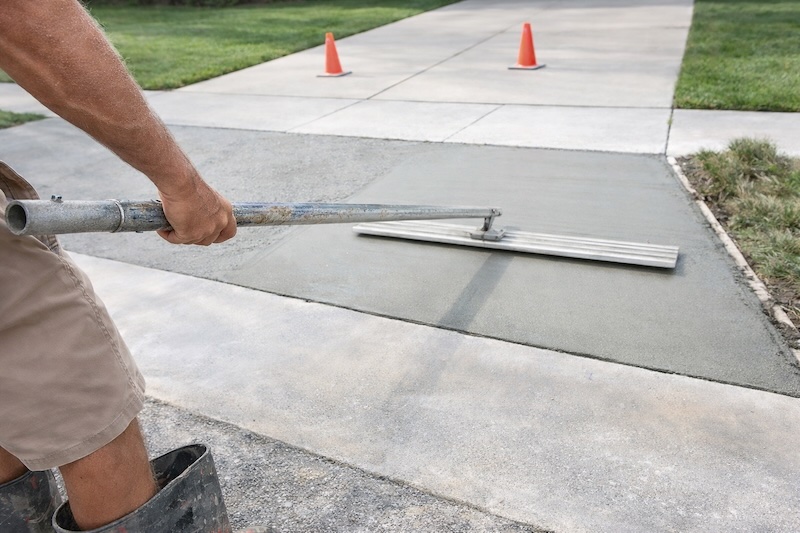
How Long Does Concrete Overlay Last? A Homeowner’s Guide
A concrete overlay can transform a worn patio, faded driveway, or aging pool deck without requiring the entire concrete slab to be replaced. But before investing in resurfacing, most homeowners want to know one thing: how long will the new surface last?
A professionally installed concrete overlay can often last 10–20 years or longer, depending on the overlay system, the condition of the original concrete, installation quality, exposure to weather, and ongoing maintenance. Some surfaces may need attention sooner, while well-maintained overlays on suitable concrete can remain attractive and functional for many years.
For homeowners in Dallas–Fort Worth, understanding these factors is particularly important. North Texas surfaces experience intense summer sunlight, temperature fluctuations, heavy rain, and regular outdoor use. Choosing the right system and preparing the existing concrete properly can make a significant difference in long-term performance.
How Many Years Does a Concrete Overlay Last?
Most residential concrete overlays are designed to provide a durable new finish over an existing concrete slab. A useful general planning estimate is 10–20 years, although actual service life varies considerably by product, application, and site conditions.
For example, a covered patio that receives limited traffic may experience less wear than a driveway exposed to vehicle tires, oil drips, and repeated turning. A pool deck faces different challenges, including water exposure, pool chemicals, wet-foot traffic, and frequent cleaning.
The expected lifespan should therefore be considered alongside the location and purpose of the surface rather than as a guaranteed number of years.
A concrete overlay also does not automatically strengthen a failing slab. Its long-term performance depends heavily on whether the original concrete is stable enough to support the new layer.
What Factors Affect Concrete Overlay Lifespan?
1. Condition of the Existing Concrete
The original slab is the foundation of the overlay system. If the concrete is stable, properly bonded, and free from serious structural movement, the new surface has a better chance of lasting.
Small surface imperfections and certain minor cracks may be repairable before installation. However, widespread cracking, significant settlement, crumbling concrete, or movement between sections can indicate deeper problems.
Covering these issues without addressing their causes may lead to cracks reappearing through the decorative finish.
Practical tip: Before resurfacing, have the contractor inspect existing cracks, drainage patterns, loose areas, and differences in slab height. Ask which defects can be repaired and which may require more extensive work.
2. Surface Preparation and Installation Quality
Preparation is one of the most important factors in determining how long a concrete overlay lasts. Dirt, grease, weak concrete, old coatings, and other contaminants can interfere with adhesion.
A suitable installation process typically includes:
- Cleaning the concrete thoroughly and removing contaminants.
- Removing loose or deteriorated material.
- Assessing and repairing appropriate cracks or surface defects.
- Preparing the concrete according to the overlay system’s requirements.
- Applying the material at the specified thickness and under suitable conditions.
- Allowing the system to cure before normal use.
Poor preparation can cause peeling, flaking, hollow spots, or premature separation. Even high-quality materials may fail when installed over an unsuitable surface.
When comparing estimates, ask what preparation work is included rather than evaluating contractors on price alone.
3. Texas Heat, Sunlight, and Weather
In Dallas–Fort Worth, summer temperatures and direct sunlight can place considerable stress on outdoor surfaces. Dark colors may absorb more heat, while ultraviolet exposure can gradually affect the appearance of some finishes and sealers.
Heavy rainfall and poor drainage can also create problems, particularly when water collects around cracks or beneath vulnerable sections. Seasonal temperature changes may contribute to movement in the underlying concrete.
The right overlay system should be selected for the intended location and its exposure. Appropriate installation conditions, drainage, finish selection, and maintenance all help manage these challenges.
4. Traffic and Everyday Use
How the surface is used also affects its lifespan.
A decorative front porch generally experiences less mechanical stress than a frequently used driveway. A pool deck may receive repeated water exposure and foot traffic, while a commercial walkway can experience substantially more daily wear than a residential patio.
Driveways require particular attention because turning tires, concentrated loads, and vehicle fluids can affect the finish. Not every decorative overlay is suitable for every driveway, so confirm that the selected system is approved for the expected traffic and loading.
5. Sealer and Routine Maintenance
Depending on the system, a compatible sealer may help protect the finish against moisture, staining, abrasion, and surface wear. However, sealers do not make concrete completely waterproof or eliminate the need for maintenance.
Follow the manufacturer’s guidance for cleaning, inspection, and resealing. The appropriate schedule depends on the product, exposure, and visible wear rather than one universal timetable.
How Long Does a Concrete Overlay Last on Different Surfaces?
Although the same general lifespan range can be a useful starting point, the conditions affecting each outdoor area are different.
| Surface | Main durability challenges | What helps extend its life |
|---|---|---|
| Concrete patio | Sunlight, rain, furniture movement, foot traffic | Regular cleaning, drainage, and suitable sealer maintenance |
| Pool deck | Water, pool chemicals, wet-foot traffic, cleaning | Pool-compatible materials, appropriate texture, and prompt maintenance |
| Driveway | Vehicle loads, turning tires, oil, surface abrasion | Traffic-rated system, sound concrete, and careful installation |
| Walkway or sidewalk | Foot traffic, water runoff, ground movement | Stable substrate, drainage, and early attention to cracks |
| Front porch | Weather exposure, dirt, and repeated foot traffic | Routine cleaning and protection suited to the finish |
These are practical comparisons, not separate guaranteed lifespan figures. The product specification, concrete condition, and quality of the installation remain decisive.
For homeowners planning a patio renovation, patio resurfacing services are a relevant starting point for understanding decorative resurfacing options. Pool deck and driveway projects may require different surface characteristics and preparation methods.
How Can You Make a Concrete Overlay Last Longer?
Extending the life of an overlay starts with good installation, but everyday care matters too. A simple maintenance routine can help homeowners identify developing problems before they become more expensive.
Clean the Surface Regularly
Remove leaves, dirt, mud, and other debris before they accumulate. Use a cleaner suitable for the specific overlay system and avoid aggressive chemicals that may damage the finish or sealer.
If using a pressure washer, follow the manufacturer’s recommendations for pressure and nozzle distance. Excessive pressure can damage vulnerable coatings or force water into weak areas.
Inspect Cracks and Surface Changes
Check the surface periodically for new cracks, peeling, flaking, discoloration, or areas that sound hollow. Pay particular attention to places where water collects or where the original concrete already had visible cracks.
Not every hairline crack indicates serious failure. However, cracks that widen, develop height differences, or repeatedly return deserve professional assessment.
Maintain Drainage
Water should drain away rather than remain against the slab or pool in low areas. Keep nearby drains clear and address runoff problems where possible.
An overlay cannot reliably correct a major drainage problem simply by covering the existing concrete. If water movement is contributing to deterioration, the underlying cause should be addressed.
Follow the Correct Sealing Schedule
Some decorative overlay systems require periodic resealing, while maintenance requirements vary by product and finish. Signs of wear, fading, or reduced water resistance may indicate that the surface needs attention.
Do not automatically apply a new sealer without checking compatibility. An unsuitable product can affect appearance, adhesion, traction, or future maintenance.
Avoid Unnecessary Mechanical Damage
Use protective pads beneath heavy furniture where appropriate, clean up vehicle-fluid spills promptly, and avoid dragging sharp or abrasive objects across the finish. For driveways, follow the installer’s recommendations on when vehicles can return to the surface after installation.
What Are the Signs That a Concrete Overlay Is Wearing Out?
An aging overlay does not always require complete replacement. The right solution depends on the type, extent, and cause of the damage.
Common warning signs include:
- Peeling or flaking: The finish may be losing adhesion or deteriorating.
- Recurring cracks: Movement in the underlying concrete may be affecting the overlay.
- Widespread discoloration: Sunlight, staining, wear, or sealer deterioration may be responsible.
- Hollow or loose sections: Parts of the overlay may have separated from the substrate.
- Surface wear: High-traffic areas may have lost their original texture or finish.
- Persistent water problems: Poor drainage may be contributing to ongoing deterioration.
A qualified contractor can determine whether localized repairs, renewed protective treatment, resurfacing, or slab replacement is appropriate.
Avoid applying a fresh decorative layer over widespread failure without identifying the underlying cause. Otherwise, the same problems may return.
Is It Better to Repair, Resurface, or Replace Concrete?
The most economical option depends on the condition of the existing slab—not just the age of its surface.
Repair may be appropriate when damage is limited and the underlying concrete remains stable. Small, isolated defects may be treatable without resurfacing the entire area.
Resurfacing can be a practical choice when the slab is structurally sound but the finish is worn, outdated, or affected by manageable surface imperfections. Decorative systems can introduce new colors, patterns, and textures while retaining suitable existing concrete.
Replacement may be necessary when the slab has severe structural cracking, substantial settlement, major drainage-related problems, or widespread deterioration that makes an overlay unsuitable.
Resurfacing can reduce demolition and material requirements when the existing concrete is suitable, but it is not automatically the cheapest or most durable solution in every situation.
For homeowners exploring concrete resurfacing in Fort Worth, the condition of the original slab should be part of the initial assessment, along with the desired finish and expected use.
How Does Resistant Coating Solutions Approach Concrete Overlays in North Texas?
Resistant Coating Solutions serves homeowners across the Dallas–Fort Worth area with decorative concrete resurfacing and overlay solutions for patios, pool decks, driveways, porches, and walkways.
The company offers decorative finishes, including Carvestone overlay systems, designed to refresh suitable existing concrete with updated textures, patterns, and colors. The appropriate solution depends on the surface, its condition, and how the area will be used.
For a project in North Texas, it is worth discussing several practical questions during an estimate:
- Is the existing slab suitable for an overlay?
- How will existing cracks and damaged areas be assessed?
- Is the proposed system appropriate for the surface and expected traffic?
- What preparation and curing steps are required?
- What cleaning and sealer maintenance does the manufacturer recommend?
- What warranty applies, and what conditions or exclusions does it include?
These questions help set realistic expectations about appearance, maintenance, and long-term durability.
You can explore concrete overlay and resurfacing options to learn more about the company’s services and determine which type of project assessment may be relevant to your property.
Frequently Asked Questions
Can a concrete overlay last 20 years?
Yes, some properly installed and maintained overlays can last 20 years or longer. However, this is not guaranteed. The substrate, overlay system, exposure, traffic, and maintenance all influence actual service life.
Does a concrete overlay crack over time?
It can. Existing cracks may reappear if the underlying slab moves, and new cracks can develop because of settlement, temperature changes, or other stresses. Correct assessment and preparation reduce risks but cannot eliminate every possibility of cracking.
Does sealing make a concrete overlay last longer?
A compatible sealer can help protect certain overlay finishes from moisture, stains, and wear. Its benefits depend on the product and conditions, and it cannot compensate for poor installation or an unstable slab.
Is a concrete overlay suitable for an old driveway?
It may be suitable if the concrete is stable and the selected system is designed for driveway traffic. Severe settlement, structural cracking, or extensive deterioration may make replacement the better option.
How do I know when my overlay needs maintenance?
Watch for fading, visible wear, peeling, cracks, or changes in water behavior. Follow the manufacturer’s inspection and maintenance recommendations, and seek professional advice if damage is spreading or the surface is separating.