
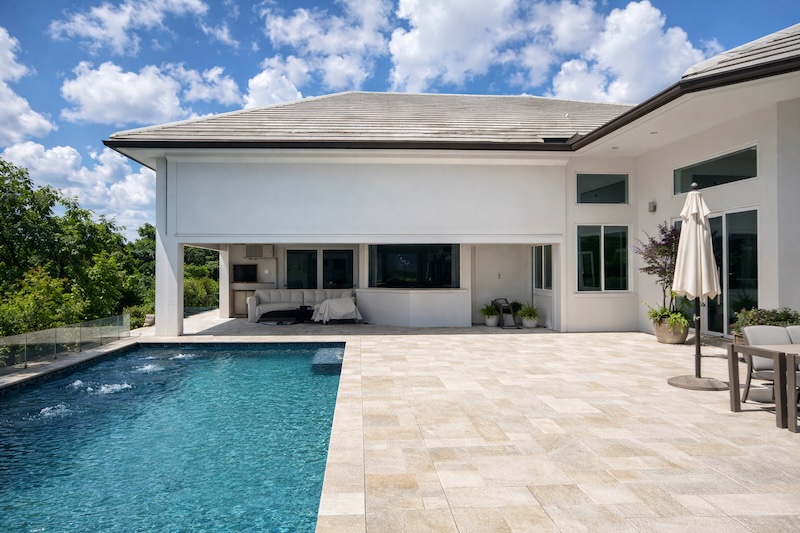
Concrete Resurfacing in Plano: What Homeowners Should Know
Concrete is one of the most practical materials for outdoor areas around a Plano home, but even a well-installed surface eventually shows signs of age. Sun exposure, changing weather, moisture, vehicle traffic, stains, and everyday use can leave patios, driveways, walkways, and pool decks looking faded or worn.
That does not necessarily mean the concrete needs to be demolished and replaced.
Concrete resurfacing in Plano can be a practical option when the existing slab is still stable but its surface needs a major visual or functional improvement. A properly selected overlay can change the color, texture, and appearance of old concrete while avoiding much of the disruption associated with full replacement.
The important part is knowing whether your concrete is actually a good candidate, what preparation is required, and which resurfacing system makes sense for the area being upgraded.
What Is Concrete Resurfacing?
Concrete resurfacing involves preparing an existing concrete surface and applying a new specialized material over it. The new surface can improve the appearance of aging concrete and, depending on the system, introduce decorative textures, patterns, colors, or a natural-stone-inspired finish.
It is different from simply painting concrete.
A professional resurfacing project depends heavily on the condition of the existing slab and the preparation underneath the new finish. If the base is unstable, simply covering it will not solve the underlying problem.
This is why a proper assessment should come before selecting a color or pattern.
Resistant Coating Solutions provides decorative concrete resurfacing and overlay services across the Dallas–Fort Worth area, with Plano included in its listed service area. Its work covers surfaces such as driveways, patios, pool decks, porches, and walkways.
Is Your Concrete a Good Candidate for Resurfacing?
This is probably the most important question to answer before starting a project.
Resurfacing is generally more suitable when the existing concrete remains structurally sound but has surface-level problems.
For example, you may have:
- Faded or discolored concrete
- Minor surface cracks
- Stains that have become difficult to remove
- A worn or rough finish
- An outdated decorative style
- Small imperfections across an otherwise stable slab
- Concrete that no longer complements a renovated home exterior
A different approach may be necessary if the slab has major movement, extensive structural cracking, significant settlement, severe deterioration, or serious drainage problems.
Imagine a Plano driveway that has developed several small cracks and has become badly discolored after years of sun exposure. If the slab remains stable, resurfacing may be worth investigating. If one section has sunk several inches because of underlying soil movement, however, covering the entire surface may only hide the problem temporarily.
A professional evaluation should identify the difference.
Why Plano’s Climate Matters
Outdoor concrete in Plano has to cope with the North Texas environment.
Summer heat and intense sunlight can put considerable stress on exterior surfaces. Seasonal weather changes, rain, moisture, and normal expansion and contraction also affect how concrete performs over time.
That means resurfacing should not be approached as a purely decorative project.
The material needs to be appropriate for outdoor use, and the installation needs to account for the conditions the surface will experience. This is particularly important for areas exposed to direct afternoon sunlight or surfaces that receive heavy vehicle or foot traffic.
Resistant Coating Solutions describes its resurfacing systems as being selected with North Texas outdoor conditions in mind, including heat, weather exposure, and everyday use.
For a homeowner, that makes questions about material performance and preparation more important than simply choosing the most attractive sample.
Concrete Resurfacing vs. Full Replacement
Resurfacing and replacement solve different problems.
With full replacement, the existing concrete is removed and a new slab is constructed. This can be the right choice when the underlying structure has failed or when substantial grading and drainage changes are required.
Resurfacing takes a different approach by working with a suitable existing surface.
| Factor | Resurfacing | Full Replacement |
|---|---|---|
| Existing slab | Must be suitable | Removed |
| Demolition | Limited compared with replacement | Significant |
| Design possibilities | Colors, textures and patterns | Broad range of new finishes |
| Project disruption | Generally lower | Generally greater |
| Best use | Surface deterioration and cosmetic upgrading | Major structural failure |
| Preparation | Critical | Requires new base/slab preparation |
Neither option should automatically be considered better.
A homeowner should be cautious about choosing resurfacing simply because it appears easier or less disruptive. If the underlying concrete has serious structural problems, replacement may provide a more appropriate long-term solution.
Where Can Concrete Resurfacing Be Used in Plano?
One advantage of decorative resurfacing is its versatility.
Driveways
A driveway is exposed to vehicle weight, tire traffic, sunlight, dirt, and oil or other stains. A resurfacing system can refresh an aging driveway and give it a more finished appearance.
If you’re specifically comparing options for a driveway, you can also explore driveway resurfacing services to understand how the requirements differ from those of a patio or pool deck.
Patios
Patios are often easier to transform visually because design can be coordinated with outdoor furniture, landscaping, brick, stone, and the home’s exterior.
A textured or stone-inspired finish can make an ordinary slab feel more connected to the surrounding outdoor space.
Pool Decks
Pool decks require additional consideration because people walk across them with wet feet.
Texture and slip resistance should therefore be part of the conversation, not an afterthought. Color selection matters too, particularly where the surface receives strong direct sunlight.
Homeowners considering this type of project can review pool deck resurfacing solutions when evaluating suitable finishes.
Walkways and Porches
A resurfaced walkway can help tie several exterior areas together. Rather than having a plain gray path between the driveway and front entrance, homeowners can use a coordinated texture or color to create a more intentional appearance.
Porches can similarly benefit from a finish that complements the home’s façade.
What Is Carvestone Overlay?
One option offered by Resistant Coating Solutions is a Carvestone overlay system.
According to the company’s published information, Carvestone combines natural Carvestone material with cement and polymer. The finished surface can create a natural-stone appearance, with patterns carved by hand rather than produced solely with conventional stamping tools.
That approach can be useful for homeowners who want something more distinctive than plain resurfaced concrete.
The visual result can range from relatively smooth stone-like textures to more pronounced carved patterns. The specific appearance depends on the design, texture, color, and application selected for the project.
You can learn more through the company’s Carvestone overlay solutions before deciding whether that style suits your property.
What Happens During a Resurfacing Project?
Good resurfacing starts before the new material is applied.
Surface Assessment
The contractor first needs to determine whether the existing concrete is suitable. Cracks, damaged areas, drainage concerns, loose material, and signs of movement should be identified.
Surface Preparation
Preparation is one of the biggest factors influencing the finished result.
The existing concrete needs to be cleaned and prepared so the new material can properly bond. Areas requiring repair should be addressed before the overlay is installed.
A beautiful finish cannot compensate for poor preparation.
Design Selection
Once the surface is considered suitable, homeowners can choose the appearance.
Depending on the system, options may include different colors, textures, patterns, and stone-inspired designs. It is usually better to choose something that complements the architecture and landscaping rather than selecting a design in isolation.
Overlay Installation
The selected resurfacing material is then installed over the prepared surface according to the system requirements.
For a decorative project, the installer may create the selected pattern or texture during this stage.
Final Finishing
The final surface is completed according to the chosen design and intended use. Driveways, pool decks, patios, and walkways may have different practical requirements, so the finish should be selected accordingly.
Can Resurfacing Fix Cracked Concrete?
It depends on the cracks.
Minor surface imperfections may be repairable during preparation, and some cracks can potentially be incorporated into a decorative pattern.
However, resurfacing should not be viewed as a universal solution for structural cracking.
If cracking is caused by significant movement beneath the slab, settlement, drainage problems, or other structural issues, those causes need to be evaluated first.
Ask the contractor specifically whether the cracks are cosmetic or structural and what will happen to them before the resurfacing material is installed.
That answer can be more important than the decorative finish you choose.
How to Choose the Right Finish for a Plano Home
Start with the surroundings.
For a traditional home with brick or masonry elements, a natural stone-inspired texture may create a cohesive appearance. A contemporary property may work better with a simpler pattern and restrained color palette.
Also consider practical use.
A driveway needs to withstand vehicles. A pool deck needs appropriate traction and comfort underfoot. A patio may give you more flexibility because its primary use is usually outdoor living and entertaining.
Think about maintenance as well. A highly detailed surface may look attractive, but homeowners should understand how it will need to be cleaned and maintained before committing to the design.
Questions to Ask Before Hiring a Resurfacing Contractor
Before approving a project, ask:
- Is my existing concrete structurally suitable for resurfacing?
- What preparation will the surface require?
- How will existing cracks be handled?
- Which overlay system is being recommended and why?
- What finish is appropriate for my specific outdoor area?
- How will the surface perform under Plano’s weather conditions?
- How long should the project take?
- When can the surface be walked or driven on?
- What maintenance will be required?
- What problems would make replacement a better option?
A detailed estimate should make it clear what preparation, materials, finishing work, and other services are included.
Is Concrete Resurfacing Worth Considering in Plano?
For the right property, resurfacing can provide a significant visual upgrade without automatically removing an otherwise usable concrete slab.
It can be especially appealing when the surface looks old or unattractive but remains fundamentally stable. Homeowners can also use decorative finishes to create a more coordinated appearance between driveways, patios, walkways, pool areas, and other outdoor spaces.
Resistant Coating Solutions serves Plano as part of its Dallas–Fort Worth service area and specializes in concrete resurfacing, overlays, Carvestone systems, driveways, patios, pool decks, and related outdoor surfaces.
The best starting point is not choosing a pattern. It is determining whether the existing concrete is a suitable foundation for resurfacing.
Final Thoughts
Concrete resurfacing can give an aging Plano property a completely different appearance while making better use of an existing concrete surface. But a successful project depends on more than the finished color or decorative pattern.
The existing slab needs to be evaluated, preparation needs to be thorough, and the resurfacing system should match the way the surface will actually be used. Plano’s outdoor conditions also make material selection and installation quality important considerations.
If the concrete is stable and the problems are primarily surface-level, resurfacing may be a practical way to improve a driveway, patio, pool deck, porch, or walkway without immediately committing to full replacement. Taking the time to assess the surface first can help you choose the solution that makes the most sense for your property and your long-term plans.