
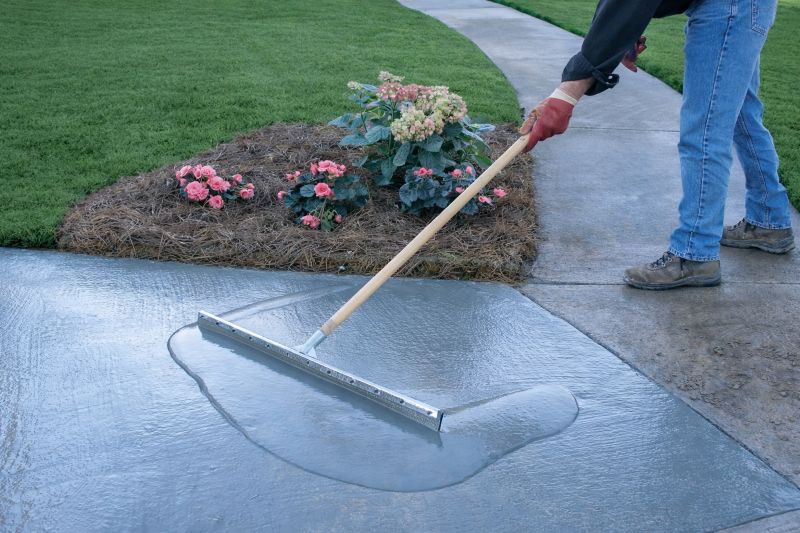
Common Mistakes to Avoid in Concrete Resurfacing
Concrete resurfacing is one of the most effective ways to restore worn, cracked, or outdated concrete without the high cost of full replacement. From driveways and patios to pool decks and walkways, resurfacing can dramatically improve both appearance and durability.
However, the success of any resurfacing project depends heavily on proper planning, preparation, and execution. Even small mistakes can lead to peeling, cracking, or premature failure.
In this guide, we’ll explore the most common mistakes to avoid in concrete resurfacing so you can ensure long-lasting, high-quality results.
What Is Concrete Resurfacing?
Concrete resurfacing involves applying a thin overlay over existing concrete to repair surface damage and enhance its appearance. This process is ideal for surfaces that are structurally sound but cosmetically worn.
When done correctly, resurfacing can:
- Extend the life of concrete
- Improve durability
- Add decorative finishes
- Increase property value
Why Avoiding Mistakes Matters
Mistakes in resurfacing can lead to:
- Surface delamination (peeling or flaking)
- Visible cracks returning
- Uneven finishes
- Reduced lifespan
👉 Avoiding these issues saves time, money, and frustration.
1. Skipping Proper Surface Preparation
The Biggest Mistake
One of the most common and costly mistakes is failing to properly prepare the surface.
Why It Matters
Concrete overlays need a clean, stable base to bond effectively. Without proper preparation, the new layer may not adhere correctly.
What Should Be Done
- Remove dirt, grease, and debris
- Pressure wash thoroughly
- Repair cracks and imperfections
- Ensure the surface is dry and clean
👉 Proper preparation is the foundation of a successful resurfacing project.
2. Ignoring Existing Structural Issues
The Problem
Resurfacing is not a solution for structural damage.
Signs of Structural Issues
- Deep cracks
- Uneven or sinking slabs
- Water drainage problems
Why It’s a Mistake
If underlying problems are not fixed, they will eventually show through the new surface.
👉 Always address structural issues before resurfacing.
3. Using Low-Quality Materials
Why Quality Matters
Cheap materials may seem cost-effective initially, but they often result in:
- Reduced durability
- Faster wear and tear
- Poor appearance
Best Practice
Invest in high-quality resurfacing compounds and sealers to ensure long-lasting results.
4. Incorrect Mixing and Application
Common Issues
- Improper mixing ratios
- Uneven application
- Inconsistent thickness
Consequences
These mistakes can lead to:
- Weak bonding
- Cracks and bubbles
- Uneven finish
👉 Always follow manufacturer guidelines or hire professionals for proper application.
5. Applying Overlay on a Wet or Dirty Surface
The Risk
Moisture and dirt can prevent proper bonding between the overlay and existing concrete.
Result
- Peeling
- Delamination
- Shortened lifespan
👉 Ensure the surface is clean and dry before application.
6. Poor Timing and Weather Conditions
Why Timing Matters
Weather plays a crucial role in resurfacing success.
Avoid:
- Extremely hot temperatures
- Freezing conditions
- Rain during application
Ideal Conditions
- Moderate temperature
- Dry weather
- Stable environment
👉 Proper timing ensures better curing and durability.
7. Skipping the Sealing Process
The Importance of Sealing
Sealing protects the surface from:
- Moisture
- Stains
- UV damage
What Happens Without It
- Fading
- Surface wear
- Reduced lifespan
👉 Sealing is essential for long-term protection.
8. Choosing the Wrong Type of Overlay
The Issue
Not all overlays are suitable for every surface.
Examples
- Microtopping for smooth finishes
- Stamped overlays for decorative designs
- Spray textures for slip resistance
Why It Matters
Choosing the wrong type can affect both performance and appearance.
👉 Match the overlay type to your specific needs.
9. Overlooking Maintenance After Resurfacing
The Mistake
Many people assume resurfacing is a one-time solution.
Reality
Regular maintenance is required to:
- Preserve appearance
- Extend lifespan
- Prevent damage
Maintenance Tips
- Clean regularly
- Reseal periodically
- Repair minor damage early
10. Attempting DIY Without Proper Knowledge
The Risk
DIY resurfacing often leads to:
- Poor finish
- Short lifespan
- Costly repairs
Why Professionals Are Better
Professionals ensure:
- Proper preparation
- Accurate application
- High-quality materials
👉 Hiring experts often saves money in the long run.
Why Professional Resurfacing Makes a Difference
Concrete resurfacing may seem simple, but it requires expertise, precision, and experience.
Professional contractors:
- Assess surface condition accurately
- Use advanced tools and materials
- Deliver consistent, high-quality results
Our Client’s Concrete Resurfacing Expertise
If you want to avoid costly mistakes and achieve flawless results, our client offers professional concrete resurfacing services tailored to your needs.
With extensive experience in:
- Driveway and patio resurfacing
- Decorative overlays and coatings
- Pool deck restoration and slip-resistant finishes
They focus on precision, durability, and long-term performance. Their team uses premium materials and proven techniques to ensure every project is completed to the highest standards.
Quick Checklist: Mistakes to Avoid
Before starting your resurfacing project, remember:
- ✔ Prepare the surface properly
- ✔ Fix structural issues first
- ✔ Use high-quality materials
- ✔ Apply correctly and evenly
- ✔ Choose the right overlay type
- ✔ Seal the surface
- ✔ Maintain regularly
Final Thoughts
Concrete resurfacing is a powerful solution for restoring and upgrading old surfaces—but only when done correctly. Avoiding common mistakes like poor preparation, low-quality materials, and improper application is key to achieving long-lasting results.
Whether you’re upgrading a driveway, patio, or pool deck, taking the right approach ensures your resurfaced concrete remains durable, attractive, and functional for years to come.
By working with experienced professionals and following best practices, you can maximize your investment and enjoy a high-quality finish that truly transforms your space.
FAQ
❓ 1. What is the most common reason concrete resurfacing fails?
The most common reason is poor surface preparation. If the concrete is not properly cleaned, repaired, and prepped, the overlay may not bond correctly, leading to peeling or cracking over time.
❓ 2. Can resurfacing fix structural problems in concrete?
No, resurfacing is not designed to fix structural issues. Problems like deep cracks, uneven slabs, or foundation movement must be repaired first, or they will reappear after resurfacing.
❓ 3. Why is choosing the right overlay type important?
Different overlays serve different purposes. Using the wrong type can affect durability, appearance, and safety, so it’s important to match the overlay to the specific surface and use case.
❓ 4. How does weather impact concrete resurfacing projects?
Extreme heat, cold, or rain can interfere with proper curing and bonding. Ideal conditions are moderate temperatures and dry weather, which help ensure a strong and long-lasting finish.
❓ 5. Is DIY concrete resurfacing worth the risk?
DIY resurfacing may save money initially, but it often leads to poor results and shorter lifespan. Professional installation ensures proper techniques, materials, and long-term durability.