
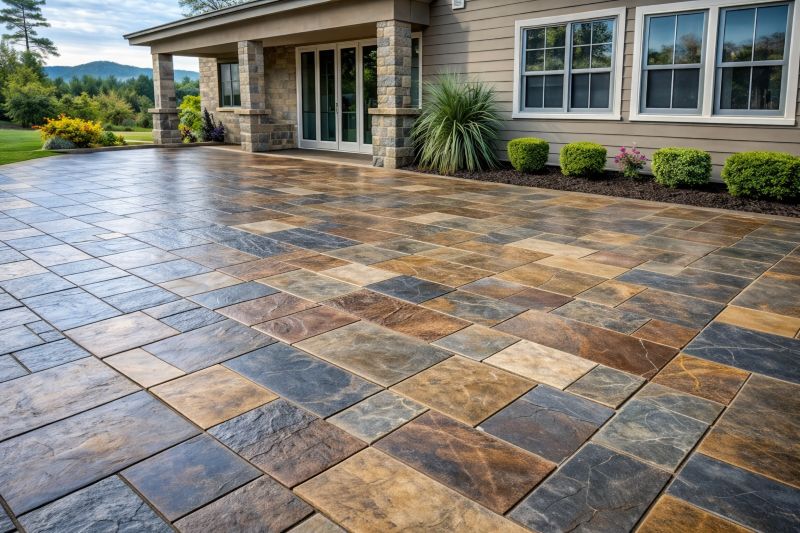
How to Maintain Decorative Concrete Surfaces
Decorative concrete can dramatically improve the appearance of a driveway, patio, pool deck, walkway, or other outdoor area. Whether the surface has a natural-stone appearance, a decorative texture, a colored finish, or a concrete overlay, keeping it looking good requires more than occasional sweeping.
The good news is that decorative concrete does not require complicated maintenance. A consistent routine of cleaning, checking for damage, managing stains, and maintaining the protective finish can help preserve both its appearance and performance.
This is particularly important in North Texas. Decorative concrete around Dallas–Fort Worth and Denton is exposed to intense sunlight, high summer temperatures, rain, dirt, vehicle traffic, and everyday outdoor activity. A maintenance plan that works for an indoor floor may not be enough for an exposed driveway or pool deck.
Here is how homeowners can take care of decorative concrete properly and recognize when professional attention is needed.
Start With Regular Cleaning
The simplest maintenance habit is also one of the most important: keep the surface clean.
Dust, leaves, dirt, grass clippings, food, oil, and other contaminants can gradually build up on decorative concrete. If they remain on the surface for long periods, they can become harder to remove and may contribute to staining or a dull appearance.
For most outdoor surfaces, start with basic maintenance:
- Sweep away loose dirt and debris regularly.
- Remove leaves and organic material rather than allowing them to sit for weeks.
- Rinse the surface when ordinary dirt begins accumulating.
- Clean spills as soon as reasonably possible.
- Pay attention to joints, edges, corners, and textured areas where debris collects.
You do not need an aggressive cleaning treatment every time the surface becomes dusty. In many situations, simple cleaning with an appropriate mild detergent and thorough rinsing is sufficient.
The important principle is consistency. Small amounts of maintenance performed throughout the year are easier than trying to restore a neglected surface after years of accumulated dirt.
How Often Should Decorative Concrete Be Cleaned?
There is no single schedule that works for every property.
A covered patio used occasionally may stay clean for a relatively long time. A driveway exposed to vehicles, tire marks, leaves, and oil requires more attention. A pool deck may need frequent rinsing because of water, sunscreen, food, and outdoor activity.
As a practical starting point:
- Weekly: Remove leaves, dirt, and loose debris from busy outdoor areas.
- Monthly: Give frequently used surfaces a more thorough cleaning when needed.
- Seasonally: Inspect the surface for stains, discoloration, cracking, joint problems, and worn areas.
- Annually: Consider a deeper cleaning and condition assessment, particularly for heavily exposed exterior concrete.
The exact frequency should be adjusted according to traffic, exposure, surface type, and the manufacturer’s maintenance recommendations.
Use the Right Cleaning Method
Decorative concrete should not automatically be treated like plain unfinished concrete.
Strong chemicals, abrasive equipment, or an overly aggressive pressure-washing technique can damage a decorative finish or wear away a protective sealer.
For routine cleaning, begin with the least aggressive method that gets the job done.
A soft-bristle brush, appropriate mild cleaner, water, and ordinary scrubbing may be enough for everyday dirt. For larger exterior surfaces, controlled pressure washing can be useful, but the pressure, nozzle, distance, and cleaning solution should be appropriate for the particular surface and sealer.
If you are unsure what cleaning method your decorative finish can tolerate, check the product documentation or ask the contractor who installed it before using aggressive equipment.
Don’t Ignore the Sealer
A decorative concrete sealer serves an important protective role.
Depending on the system, sealing can help reduce water penetration, staining, abrasion, and damage associated with outdoor exposure. It can also influence how the color and texture of a decorative surface look.
However, a sealer is not permanent or completely damage-proof.
Over time, foot traffic, vehicles, cleaning, sunlight, weather, and general wear can gradually affect the protective layer. A surface may still look acceptable while the sealer underneath is beginning to lose effectiveness.
That is why resealing should be based on the actual condition of the surface rather than blindly following a fixed calendar.
Look for signs such as:
- A noticeably dull appearance
- Reduced water repellency
- Increased staining
- Surface wear in high-traffic areas
- Scratches or visible abrasion
- Fading or uneven appearance
The correct resealing interval depends on the concrete system, sealer, location, traffic, and environmental exposure.
Protect Decorative Concrete From Texas Heat and UV Exposure
North Texas weather deserves special consideration.
Outdoor concrete surfaces in the Dallas–Fort Worth region can receive substantial UV exposure and intense summer heat. Over time, sunlight and temperature changes can contribute to fading and deterioration of protective treatments.
This is especially relevant for decorative surfaces where appearance is part of the reason the homeowner invested in the project.
Resistant Coating Solutions designs its resurfacing and overlay work with North Texas outdoor conditions in mind. Its services include decorative concrete resurfacing and Carvestone overlay systems for surfaces such as driveways, patios, pool decks, porches, and walkways.
For homeowners who already have a decorative surface, the practical lesson is simple: do not wait until the finish has visibly deteriorated before thinking about protection.
Regular cleaning, appropriate sealing, and timely attention to worn areas can help reduce the impact of outdoor exposure.
Deal With Stains Quickly
Different stains require different approaches.
Oil and automotive fluids are particularly relevant on driveways and garage-adjacent areas. Leaves and organic material can leave discoloration when they remain on a damp surface. Food and drinks can also stain outdoor entertainment areas.
The sooner a spill is addressed, the easier it generally is to manage.
Avoid immediately reaching for the strongest chemical available. Some cleaners can affect decorative finishes or sealers. Instead, identify the type of stain and use a cleaning product compatible with the surface.
For valuable decorative finishes, test a cleaning method in an inconspicuous location first if there is any uncertainty.
Pay Attention to Cracks and Joints
Decorative concrete still needs routine inspection even when the surface looks attractive.
Walk around the area occasionally and look for changes in cracks, joints, edges, or areas where the surface appears to be separating.
Small imperfections do not necessarily mean the entire surface has failed. But changes should not be ignored indefinitely.
Joints deserve particular attention because dirt and debris can accumulate inside them. Water entering problematic areas can contribute to deterioration beneath or around the surface.
Keeping joints clean and addressing developing problems early is generally easier than waiting until damage becomes extensive.
For homeowners considering restoration rather than replacement, concrete resurfacing services can be an appropriate starting point when the underlying concrete remains suitable for a new finish.
How to Maintain a Decorative Driveway
Driveways experience some of the hardest use of any residential concrete surface.
Vehicles introduce tire marks, oil, dirt, and mechanical wear. Turning vehicles in the same area repeatedly can also place additional stress on the surface.
A good driveway maintenance routine includes:
- Sweep the surface regularly.
- Clean oil and automotive spills promptly.
- Avoid allowing leaves and organic debris to remain for long periods.
- Inspect high-traffic areas for wear.
- Check edges and joints periodically.
- Follow the recommended sealer maintenance schedule.
- Avoid using harsh chemicals without checking compatibility.
If the existing surface has become badly worn but the slab remains structurally suitable, driveway resurfacing may offer a way to restore its appearance without automatically removing the entire concrete base.
Pool Decks Need Extra Attention
Pool decks have different maintenance concerns because they are regularly exposed to water, sunscreen, chemicals, bare feet, and outdoor furniture.
A pool deck should be kept clean without using methods that unnecessarily damage the decorative finish. Slip resistance is also important.
Avoid allowing algae, dirt, or other buildup to accumulate on textured surfaces. Pay particular attention to areas that remain damp or receive limited sunlight.
If an older pool deck has become faded, worn, or uncomfortable, professional pool deck resurfacing can be considered when the existing substrate is appropriate for restoration.
What About Patios and Walkways?
Patios often collect food debris, leaves, soil, and spills from outdoor entertaining. Furniture can also create concentrated wear in certain locations.
Walkways are usually exposed to foot traffic and landscaping debris.
For these surfaces, basic maintenance is straightforward:
- Sweep regularly.
- Remove stains promptly.
- Keep drainage paths clear.
- Avoid dragging heavy furniture across the surface.
- Inspect edges and joints.
- Maintain the protective finish when necessary.
For homeowners looking to restore an aging outdoor entertaining area, patio resurfacing can provide a new decorative finish while making better use of an existing suitable concrete surface.
Likewise, damaged or visually outdated paths may benefit from walkway and sidewalk resurfacing rather than being treated as a purely cosmetic cleaning issue.
Be Careful With Pressure Washing
Pressure washing can be useful, but more pressure is not automatically better.
Excessive pressure can damage a sealer, expose the underlying material, or affect decorative textures. Holding the nozzle too close to the surface can also create uneven cleaning marks.
Before pressure washing, determine:
- What type of decorative finish is installed?
- Is the surface sealed?
- What cleaning product is compatible?
- How much pressure is appropriate?
- Are there damaged or loose areas that should be avoided?
If the surface is valuable or you are uncertain about its construction, professional cleaning may be safer than experimenting with aggressive equipment.
Seasonal Maintenance for North Texas Homes
A simple seasonal inspection can prevent small issues from becoming expensive problems.
Spring
Look for dirt buildup, organic stains, surface wear, and damage that became noticeable after winter weather.
Summer
Pay close attention to fading, sealer condition, and surfaces exposed to intense direct sunlight. Pool decks and patios may also experience their highest traffic during this period.
Fall
Remove leaves and organic debris regularly. Do not allow piles of wet leaves to remain on decorative surfaces.
Winter
Keep drainage paths and joints clear. Even in a relatively mild winter climate, moisture and temperature changes can affect existing imperfections.
When Should You Call a Professional?
Routine cleaning can usually be handled by homeowners, but not every maintenance problem should become a DIY project.
Consider professional advice when you notice:
- Widespread cracking
- Significant discoloration
- Peeling or failing coatings
- Persistent stains
- Loose or deteriorating areas
- Major surface wear
- Drainage problems
- A decorative finish that needs restoration or resealing
A professional can determine whether the problem is primarily cosmetic, related to the protective finish, or caused by an issue underneath the surface.
Resistant Coating Solutions works throughout the Dallas–Fort Worth region, including Denton, Plano, Frisco, Lewisville, Flower Mound, McKinney, Arlington, Southlake, Prosper, Colleyville, Keller, and other North Texas communities.
Final Thoughts
Maintaining decorative concrete does not have to be complicated. The most effective approach is usually consistent rather than aggressive: remove dirt regularly, deal with spills promptly, use compatible cleaning products, monitor the protective finish, and inspect the surface before minor problems become major ones.
North Texas conditions make these habits especially valuable. Strong sun, heat, rain, traffic, and everyday outdoor use can gradually affect decorative surfaces, but proper maintenance can help preserve their appearance and functionality.
And when cleaning is no longer enough, restoration may be worth considering. A properly assessed concrete overlay system or resurfacing solution can give suitable existing concrete a refreshed appearance without automatically requiring complete replacement.
The goal is not simply to keep decorative concrete looking new. It is to understand the surface, maintain it according to its specific needs, and address problems early enough that the attractive finish remains a useful part of the property for years to come.