
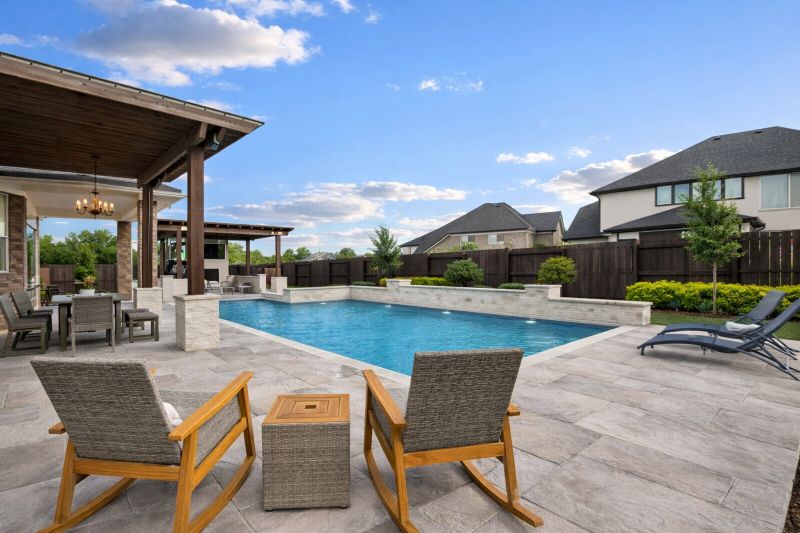
What Is Carvestone Overlay? Why It’s Popular in Texas
Texas homeowners want outdoor spaces that look attractive, feel comfortable, and withstand demanding weather conditions. From pool decks in Fort Worth to backyard patios in Dallas and outdoor entertainment areas across North Texas, the right concrete finish can make a significant difference in both appearance and usability.
One option attracting attention is Carvestone overlay, a decorative concrete resurfacing system designed to give suitable existing concrete a textured, stone-like appearance. Rather than automatically demolishing an old patio or pool deck, resurfacing can provide a way to renew the surface while introducing new colors, patterns, and textures.
However, Carvestone is not a universal solution for every concrete problem. The condition of the existing slab, installation quality, drainage, and maintenance all influence the finished result.
In this guide, we explain what Carvestone overlay is, how it works, why Texas homeowners consider it, where it can be used, and how to determine whether it is the right choice for your property.
What Is Carvestone Overlay?
Carvestone overlay is a decorative concrete resurfacing option used to transform suitable concrete surfaces with a textured finish designed to resemble natural stone.
Depending on the selected design and installation system, the finish can introduce variations in color, texture, and pattern that make an ordinary concrete surface more visually appealing.
Unlike replacing a concrete slab, resurfacing generally involves preparing the existing surface and applying a compatible decorative material over it. This can reduce the amount of demolition required when the original concrete remains suitable for the proposed treatment.
Carvestone may be considered for residential outdoor spaces such as patios, pool decks, and selected walkways. The suitability of a driveway or another heavily loaded surface depends on the particular system’s specifications and the condition of the underlying concrete.
Key characteristics of Carvestone overlay
- Decorative appearance: Textures and patterns can create a natural-stone-inspired finish.
- Design flexibility: Available design and color choices depend on the system and installer.
- Resurfacing potential: Suitable existing concrete may be upgraded without complete slab replacement.
- Outdoor applications: Certain systems are intended for exterior surfaces.
- Maintenance requirements: Regular cleaning and appropriate protective treatments can help preserve the finish.
It is important to distinguish between the appearance of a decorative finish and its technical performance. Slip resistance, heat retention, UV resistance, and durability depend on the specific materials, surface texture, color, installation, and maintenance.
How Does Carvestone Concrete Resurfacing Work?
A successful Carvestone installation involves more than applying a decorative material over old concrete. Proper assessment and preparation are essential for adhesion and long-term performance.
Although the exact process varies by system and project, the main stages generally include the following.
1. Inspecting the existing concrete
The contractor assesses the slab for cracks, surface deterioration, loose material, moisture issues, and drainage problems.
Minor surface imperfections may be repairable, but significant movement, settlement, or structural damage can make resurfacing unsuitable without additional work.
This assessment is especially important for older patios and pool decks exposed to repeated temperature changes and rainfall.
2. Preparing the surface
The concrete must be cleaned and prepared according to the selected product’s requirements. Oil, dirt, coatings, and other contaminants can interfere with adhesion.
The preparation method may involve mechanical surface preparation, cleaning, and appropriate repairs. The precise approach depends on the existing finish and the overlay manufacturer’s specifications.
3. Applying the resurfacing system
The installer applies the specified materials to the prepared concrete. The decorative finish is then shaped or textured according to the selected design.
This stage determines much of the surface’s final appearance, including its pattern, texture, and visual variation.
4. Adding color and decorative details
Depending on the system, coloring techniques and finishing methods can create a stone-like appearance that complements the home’s exterior.
Homeowners should review available samples and discuss how the finish may look under direct sunlight and shade before selecting a color.
5. Applying compatible protection
Where required, a suitable sealer or protective finish is applied according to the manufacturer’s instructions.
The surface must be allowed to cure for the specified period before foot traffic, furniture placement, or regular use. Curing and reopening times vary, so homeowners should follow the installer’s instructions rather than assume the patio will be ready immediately.
Why Is Carvestone Overlay Popular in Texas?
Texas weather creates several challenges for outdoor concrete surfaces. Intense sunlight, high surface temperatures, sudden rainfall, and soil movement can affect the condition and appearance of patios and pool decks.
Carvestone is one decorative resurfacing option homeowners may consider when renovating these spaces.
1. It Can Refresh Weathered Outdoor Concrete
Outdoor concrete can become stained, discolored, or visually outdated after years of exposure.
A decorative overlay can introduce a new texture and appearance without necessarily requiring complete removal of the original slab.
For homeowners in Dallas, Fort Worth, and surrounding North Texas communities, this can be worth exploring when the existing concrete is structurally suitable but needs a visual upgrade.
Resurfacing is not appropriate for every damaged slab, however. Serious cracking, ongoing movement, or drainage issues should be evaluated before installation.
2. It Offers a Stone-Like Decorative Appearance
Natural stone can create an attractive outdoor environment, but individual stone installations involve their own material, labor, joint, and maintenance considerations.
Carvestone overlay offers a different approach by using a decorative concrete finish to create a stone-inspired appearance.
Depending on the available designs, homeowners may be able to coordinate the patio or pool deck with exterior walls, landscaping, outdoor kitchens, and other architectural features.
The final result depends on the selected pattern, color, application technique, and quality of workmanship.
3. It May Improve Comfort Around Outdoor Living Areas
In Texas, surface temperature is an important consideration when choosing a patio or pool deck finish.
Some decorative resurfacing systems are designed with textures or material characteristics intended to improve underfoot comfort. However, not every Carvestone finish will remain cool in direct sunlight.
Surface temperature depends on factors such as color, sun exposure, shade, and the specific materials used.
If comfort is a priority, ask the installer about the thermal characteristics of the exact system being proposed. Consider shade structures and lighter colors where appropriate, particularly in outdoor areas used during summer afternoons.
4. Textured Finishes Can Support Outdoor Traction
Pool decks and patios are frequently exposed to water from swimming, irrigation, cleaning, and rainfall.
A suitably designed textured surface can provide traction, but no decorative finish should automatically be considered slip-proof. Performance depends on the surface profile, sealer, maintenance, and conditions underfoot.
For poolside applications, discuss wet-traction performance and cleaning requirements with the contractor. Avoid selecting a finish based on appearance alone, particularly if children or older adults regularly use the space.
5. It Can Reduce the Need for Full Concrete Replacement
When an existing slab is stable and suitable for resurfacing, applying a compatible overlay may avoid some of the demolition associated with replacing the entire surface.
This can be attractive to homeowners who want to update an older patio or pool deck while retaining the existing concrete base.
However, resurfacing is not automatically less expensive than replacement in every situation. Extensive repairs, difficult preparation, drainage corrections, or unsuitable underlying concrete can affect the overall project requirements.
Compare the scope of work rather than assuming that an overlay is always the cheaper option.
6. It Provides Decorative Design Flexibility
Outdoor spaces often look more cohesive when their finishes complement the architecture of the home.
Carvestone’s stone-inspired appearance can suit a variety of landscaping styles, depending on the available patterns and colors.
When choosing a design, consider:
- The color of your home’s exterior.
- Existing brickwork, stonework, or paving.
- The amount of direct sunlight the area receives.
- The appearance of the patio when wet.
- Furniture, planters, and outdoor kitchen finishes.
- How much texture you want underfoot.
Request samples or examples of completed installations using the same system before making a final decision.
Where Can You Use Carvestone Overlay?
The suitability of Carvestone depends on the specific product system, the existing concrete, and the demands of the intended application.
Pool decks
Pool decks are among the most relevant applications for decorative concrete resurfacing because homeowners often want to improve both appearance and the experience of walking around the pool.
The selected finish should be appropriate for wet conditions, routine cleaning, and regular foot traffic.
If you are planning a poolside renovation in North Texas, explore pool deck concrete resurfacing in Fort Worth, Texas to learn more about resurfacing options for outdoor pool areas.
Backyard patios
A resurfaced patio can provide a more coordinated setting for outdoor dining, entertaining, and relaxation.
A stone-inspired decorative finish may complement landscaping, pergolas, outdoor kitchens, and seating areas without the visual simplicity of plain concrete.
Before installation, check whether the slab has suitable drainage and whether existing cracks need attention.
Walkways and courtyards
Decorative finishes may also be suitable for selected walkways and courtyards, depending on the system’s intended use.
For these areas, consider traction, accessibility, drainage, and how the texture will affect routine cleaning.
Driveways and vehicle-use areas
Not every decorative overlay is suitable for vehicle traffic. Driveways experience different stresses from patios, including vehicle weight, turning forces, and concentrated loads.
If you are considering upgrading a driveway, confirm that the proposed system is explicitly suitable for that application. You can also review concrete driveway resurfacing in Frisco, Texas for information about this separate type of project.
Carvestone Overlay vs. Traditional Concrete
Both traditional concrete and decorative overlays can be suitable for outdoor surfaces. The better choice depends on whether you are installing a new slab, renewing an existing one, or prioritizing a particular appearance.
| Feature | Carvestone overlay | Traditional concrete |
|---|---|---|
| Appearance | Decorative, textured, stone-inspired finish | Often plain unless decorative techniques are used |
| Existing surfaces | Can be suitable for resurfacing stable concrete | May require new placement when replacing an unsuitable slab |
| Design options | Depend on the overlay system and installer | Depend on finishing, coloring, stamping, and other methods |
| Heat underfoot | Varies by color, texture, and materials | Varies by mix, color, sunlight, and surface finish |
| Traction | Depends on texture, sealer, and maintenance | Depends on finishing and surface condition |
| Installation requirements | Requires suitable substrate preparation and system-specific application | Requires appropriate base preparation, placement, finishing, and curing |
| Maintenance | Depends on the overlay and protective finish | Depends on the concrete finish and any applied sealer |
Carvestone is not automatically more durable, cooler, or safer than every traditional concrete finish. A properly installed and maintained surface is essential regardless of the material selected.
How Does Carvestone Compare With Stamped Concrete?
Stamped concrete is another decorative option for homeowners who want their outdoor space to resemble stone, brick, or other materials.
The two approaches differ in how the decorative surface is created.
Stamped concrete typically uses patterns impressed into fresh concrete. A Carvestone overlay, by contrast, is a resurfacing approach that can be considered for suitable existing concrete.
If your patio is structurally sound but looks outdated, an overlay may offer a way to update the finish without replacing the entire slab. If you are installing a completely new patio, stamped concrete and other decorative concrete methods may also be worth comparing.
The decision should consider the existing surface, design goals, maintenance requirements, project scope, and suitability of the materials for Texas weather.
How to Maintain a Carvestone Overlay
Like other decorative concrete surfaces, Carvestone requires appropriate care to preserve its appearance.
Clean the surface regularly
Sweep away leaves, dirt, and debris. Wash the area with a compatible cleaner when needed, following the product manufacturer’s instructions.
Remove spills promptly
Food, drinks, cooking grease, fertilizer, and other contaminants can stain some decorative finishes. Clean spills promptly using a suitable product.
Avoid incompatible chemicals
Strong acids, aggressive solvents, or concentrated bleach may damage certain overlays or protective sealers. Check compatibility before using any cleaning chemical.
Monitor drainage
Persistent standing water can encourage biological growth and may indicate a drainage issue. Check nearby drains and downspouts and address recurring puddles.
Inspect cracks and peeling
Look for changes in the surface, including cracking, flaking, or separation. If damage recurs, determine the underlying cause before applying another coating.
Follow the recommended sealing schedule
Resealing requirements vary according to the installed system. Follow the manufacturer’s guidance instead of relying on a universal timetable.
Consistent maintenance helps protect the decorative finish, but it cannot prevent every problem caused by movement in the underlying concrete or unsuitable installation conditions.
Why Professional Installation Matters
The quality of a decorative overlay depends on more than the material itself. Surface preparation, repairs, bonding, application conditions, finishing, and curing all influence the result.
A qualified contractor should assess the existing concrete, explain whether resurfacing is appropriate, and identify any drainage or structural issues that need attention.
Before proceeding, ask about the exact materials being used, the preparation process, expected curing times, maintenance requirements, and any limitations affecting your intended application.
For homeowners exploring decorative concrete options in North Texas, Resistant Coating Solutions is a useful starting point for learning about the company’s concrete resurfacing services.
You can also explore its information about Carvestone overlay and resurfacing in Dallas to investigate the decorative resurfacing option most relevant to your project.
Discuss your patio or pool deck’s current condition, the appearance you want, and the demands of the space before choosing a system. A professional assessment can help establish whether resurfacing is appropriate or whether additional repairs are necessary.
Is Carvestone Overlay Right for Your Texas Property?
Carvestone may be worth considering if your existing concrete is suitable for resurfacing and you want a decorative, stone-inspired finish.
It may be a good fit when you:
- Want to refresh a worn-looking patio or pool deck.
- Prefer a decorative alternative to plain concrete.
- Want to explore resurfacing before considering slab replacement.
- Need a finish selected for outdoor exposure and regular foot traffic.
- Value design flexibility and are prepared to follow the recommended maintenance routine.
However, extensive structural damage, ongoing settlement, or persistent drainage problems may require additional work before an overlay can be installed.
The best way to decide is to assess the existing concrete and compare the proposed system’s appearance, performance specifications, installation requirements, and long-term care.
Frequently Asked Questions
How long does a Carvestone overlay last?
Its useful life depends on the installation quality, condition of the original concrete, environmental exposure, traffic, and maintenance. Ask the installer for guidance specific to the system and project rather than relying on a universal lifespan.
Is Carvestone overlay slippery when wet?
Slip resistance depends on the texture, sealer, surface contamination, and wet conditions. Ask about the specific finish’s wet-traction characteristics, especially when planning a pool deck.
Can Carvestone be applied over damaged concrete?
Some minor surface defects may be repairable before resurfacing. However, serious cracking, settlement, unstable concrete, or persistent moisture problems may make an overlay unsuitable until the underlying issues are addressed.
Does Carvestone require regular maintenance?
Yes. Routine cleaning, prompt stain removal, drainage checks, inspections, and any manufacturer-recommended resealing help preserve the finish.
Is Carvestone cooler than traditional concrete?
That depends on the specific materials, color, texture, and sun exposure. Do not assume every Carvestone finish stays cooler than every conventional concrete surface. Ask the contractor about the product proposed for your property.
Is Carvestone overlay suitable for driveways?
Suitability depends on the particular system’s specifications and the condition of the existing concrete. Confirm that the product is rated for vehicle traffic before using it on a driveway.
Conclusion: A Decorative Resurfacing Option for Texas Outdoor Spaces
Carvestone overlay offers homeowners a way to explore a stone-inspired decorative finish for suitable existing concrete. Its design flexibility and resurfacing potential make it worth considering for patios, pool decks, and other appropriate outdoor spaces.
For Texas properties, the key is choosing a system that suits the local weather exposure, intended use, drainage conditions, and existing concrete. Texture, heat performance, slip resistance, and maintenance requirements should all be evaluated rather than assumed from the appearance alone.
If you are considering upgrading a patio or pool deck in Dallas, Fort Worth, or the surrounding North Texas area, start by assessing the current surface and discussing suitable options with a qualified contractor.
Resistant Coating Sotiluons provides a starting point for exploring concrete resurfacing and decorative finish options. With appropriate material selection, careful preparation, and a realistic maintenance plan, you can make a more informed decision about improving your outdoor space.