
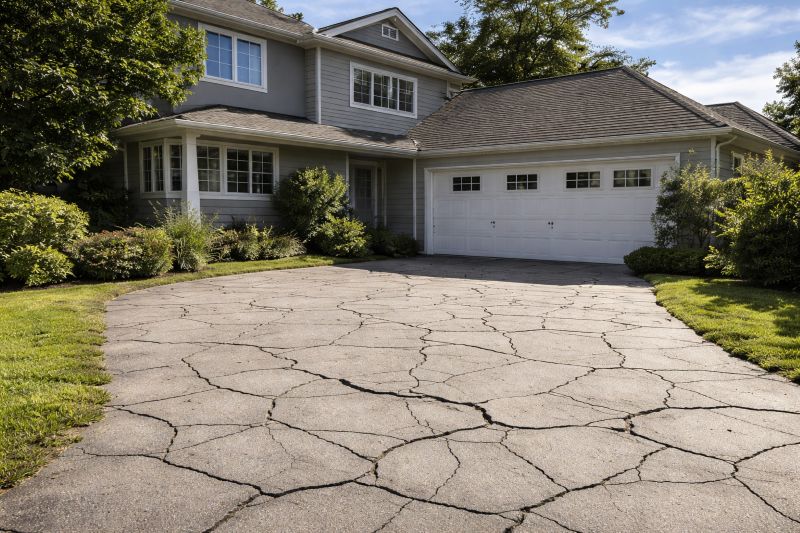
Can You Resurface Old or Cracked Concrete? A Practical Guide for Texas Homeowners
Old concrete does not always need to be demolished and replaced. If a patio, driveway, pool deck, walkway, or other concrete surface has become faded, stained, rough, or lightly cracked, concrete resurfacing may offer a practical way to improve it without starting from a completely new slab.
But there is an important distinction between surface damage and structural damage.
A resurfacing system can dramatically improve the appearance of suitable old concrete, but it cannot correct a slab that is sinking, moving, or failing underneath. That is why the first step should never be choosing a color or decorative pattern. It should be determining whether the existing concrete is actually a good candidate for resurfacing.
For homeowners across Dallas–Fort Worth and North Texas, this matters even more because outdoor concrete is exposed to intense summer heat, UV radiation, rain, temperature changes, and regular vehicle or foot traffic.
Can You Resurface Old or Cracked Concrete?
Yes, old or cracked concrete can sometimes be resurfaced, provided the existing slab is stable enough to support the new surface.
Resurfacing involves preparing the existing concrete and installing a specialized overlay system over it. Depending on the application, the finished surface can introduce a new texture, color, pattern, or stone-inspired appearance.
This makes resurfacing useful for concrete that has problems such as:
- Minor surface cracks
- Fading and discoloration
- Staining
- Light surface deterioration
- Small pits or imperfections
- Worn finishes
- An outdated appearance
- General surface wear
The important word is sometimes.
If the concrete is moving or has significant structural failure, simply covering it with a new material will not eliminate the underlying problem. The damage may eventually appear through the new surface.
What Type of Cracks Can Be Resurfaced?
Not every crack means the concrete needs to be removed.
Small, relatively stable cracks can often be repaired or incorporated into the preparation process before an overlay is installed. The appropriate treatment depends on the width, depth, location, and cause of the crack.
For example, a few fine surface cracks in an otherwise stable patio are very different from a large crack running across a driveway where one side of the slab has dropped.
Minor Surface Cracks
Fine cracks that do not indicate significant movement may be manageable as part of a resurfacing project.
The crack still needs to be evaluated and prepared correctly. Simply applying an overlay over an untreated active crack creates a risk that the crack will eventually show through the new finish.
Wide or Deep Cracks
Larger cracks require closer investigation.
A wide crack may indicate settlement, movement, water-related problems, or other structural issues. If the concrete is continuing to move, resurfacing alone is unlikely to provide a lasting solution.
This is one reason a professional assessment is valuable before committing to an overlay.
When Should Old Concrete Be Replaced Instead?
Resurfacing is not a universal solution.
Replacement or structural repair may be more appropriate when the existing concrete has:
- Major settlement
- Significant sections that have broken apart
- Severe structural cracking
- Substantial movement
- Serious drainage problems
- Extensive deterioration
- A failing or unstable base
Consider a driveway where one section has sunk several inches because the underlying soil has shifted. A new decorative layer might make the surface look better temporarily, but it does not correct the movement underneath.
The same principle applies to a patio that is visibly separating or a walkway that has become severely uneven.
A good resurfacing project starts with knowing when not to resurface.
Why Surface Preparation Matters So Much
The quality of an overlay depends heavily on what happens before the decorative material is installed.
A dirty, loose, unstable, or poorly prepared surface can prevent the new system from bonding properly.
Professional preparation can involve several steps depending on the condition of the concrete.
Cleaning
Dirt, oil, grease, loose material, stains, and other contaminants need to be removed so the overlay can properly interact with the existing surface.
Crack and Damage Repair
Minor damage should be addressed before the resurfacing material is installed. The goal is to create a stable and properly prepared base rather than simply hiding defects underneath a new layer.
Surface Profiling
The existing concrete may need to be mechanically or otherwise appropriately prepared to create the surface characteristics necessary for good adhesion.
Final Inspection
Before the overlay goes down, the installer should confirm that the prepared surface is suitable for the selected system.
This preparation stage may not be the most visually exciting part of the project, but it can have a major effect on the finished result.
Does Resurfacing Work in Texas Heat?
Outdoor concrete in North Texas faces demanding conditions.
During summer, a driveway or patio can receive hours of direct sunlight and become extremely hot. Seasonal changes, moisture, vehicle traffic, and repeated expansion and contraction can also place stress on exterior surfaces.
For this reason, homeowners should not choose a resurfacing product based only on its appearance.
Ask whether the proposed system is appropriate for exterior Texas conditions and the specific application. A material intended for one type of surface may not necessarily be the best choice for a driveway, pool deck, or high-traffic walkway.
Resistant Coating Solutions focuses on concrete resurfacing and overlay solutions for Dallas–Fort Worth homeowners, including applications for driveways, patios, pool decks, porches, and walkways.
Its published information specifically emphasizes outdoor systems selected with North Texas weather and everyday use in mind.
What Is the Difference Between Resurfacing and Replacing Concrete?
The basic difference is what happens to the existing slab.
With replacement, the old concrete is demolished and removed before a new concrete surface is installed.
With resurfacing, the existing concrete remains in place when it is considered structurally suitable. The surface is prepared, repaired where appropriate, and covered with an overlay or resurfacing system.
| Factor | Resurfacing | Replacement |
|---|---|---|
| Existing slab | Remains in place | Removed |
| Best for | Stable concrete with surface problems | Severely damaged or unstable concrete |
| Demolition | Usually limited | Significant |
| Appearance | Can be completely updated | Completely new |
| Design options | Colors, textures and patterns | Broad range of new finishes |
| Project disruption | Generally lower | Generally greater |
This is why resurfacing can be attractive to homeowners who want to improve an aging surface without automatically committing to a complete rebuild.
Can Resurfacing Hide Stains and Discoloration?
Yes. One of the practical advantages of a decorative overlay is that it can dramatically change the appearance of old concrete.
Stains from years of use, faded color, inconsistent patches, and an outdated finish can make concrete look neglected even when the underlying slab remains usable.
Rather than trying to make every old stain disappear through cleaning alone, resurfacing can provide an opportunity to create an entirely new finished surface.
For homeowners considering a broader upgrade, decorative concrete resurfacing can combine functional improvement with a more intentional exterior design.
What About Patios, Pool Decks, and Driveways?
The basic resurfacing concept applies to several concrete surfaces, but the requirements are not identical.
Driveways
Driveways need to withstand vehicle weight, tire traffic, sunlight, and weather. The condition of the underlying slab is particularly important.
If you’re considering a driveway project, driveway resurfacing can be worth exploring when the existing concrete is stable but the surface has become worn or unattractive.
Patios
Patios generally experience foot traffic, outdoor furniture, food spills, weather exposure, and everyday wear.
A decorative overlay can provide an opportunity to coordinate the patio surface with landscaping, exterior walls, or other outdoor features.
Pool Decks
Pool decks have additional considerations because the surface regularly becomes wet.
Texture, traction, heat exposure, drainage, and maintenance all matter. A finish that looks attractive but becomes uncomfortable or slippery when wet may not be appropriate.
For homeowners planning this type of upgrade, pool deck resurfacing should be approached as both a design and surface-performance decision.
What Is a Carvestone Overlay?
Resistant Coating Solutions also works with Carvestone overlay systems, a decorative resurfacing approach designed to create a natural-stone-inspired appearance over suitable existing surfaces.
According to the company’s information, its Carvestone process combines natural Carvestone material with cement and polymer and uses hand-carved patterns rather than conventional stamping tools.
That can create a more individualized stone-like appearance.
Carvestone overlays can be used for applications including driveways, patios, walkways, pool areas, and other prepared concrete surfaces.
The design possibilities make this type of system particularly interesting for homeowners who want something more distinctive than a standard gray driveway.
How Do You Know if Your Concrete Is a Good Candidate?
Before requesting an estimate, take a close look at the existing surface.
Ask yourself:
Is the slab generally level?
If there is substantial sinking or movement, investigate the underlying cause before considering an overlay.
Are the cracks mostly superficial?
Small cracks are very different from deep, widening, or displaced cracks.
Is the concrete still solid?
If large sections are crumbling or breaking apart, resurfacing may not be the appropriate solution.
Does water drain correctly?
Standing water can contribute to deterioration and should not simply be covered.
Is the problem mainly appearance?
If the concrete is structurally sound but looks old, stained, faded, or outdated, resurfacing may be worth investigating.
Questions to Ask a Resurfacing Contractor
Before hiring anyone, get specific answers rather than accepting a general promise that the concrete can be covered.
Ask:
- Is my existing concrete structurally suitable for resurfacing?
- What is causing the current cracks?
- How will the cracks be treated before installation?
- What preparation will the surface receive?
- Which overlay system is recommended and why?
- Is the material suitable for exterior North Texas conditions?
- What finish and texture options are available?
- How long will the installation take?
- How long before the surface can be walked or driven on?
- What maintenance will be required afterward?
A detailed answer to these questions can help you distinguish between a properly planned resurfacing project and a simple cosmetic cover-up.
How Long Does Concrete Resurfacing Take?
There is no universal timeline because project duration depends on the surface size, existing condition, preparation requirements, selected overlay, weather, and design.
Resistant Coating Solutions states that many of its resurfacing projects can be completed within a few days, although individual projects can vary.
Weather is another factor worth considering in Texas. Exterior installation requires suitable conditions for proper application and curing, so homeowners should allow some flexibility in their schedule.
Do not assume that a surface is ready for vehicles simply because the installation looks finished. Always follow the installer’s instructions regarding foot and vehicle traffic.
How Should Resurfaced Concrete Be Maintained?
A resurfaced surface still needs normal care.
Keep the area free from accumulated dirt and debris, clean spills when practical, and avoid allowing standing water to remain on the surface unnecessarily.
It is also important to follow the specific maintenance recommendations provided for the overlay system. Cleaning products, sealing requirements, and maintenance intervals can vary.
Good maintenance cannot correct structural movement, but it can help preserve the appearance and performance of a properly installed surface.
Is Resurfacing Old Concrete Worth It?
For the right property, resurfacing can be an excellent middle ground between doing nothing and completely replacing the concrete.
It is particularly useful when the existing slab is stable but has become unattractive because of age, staining, surface wear, minor cracking, or an outdated finish.
The biggest mistake is treating every cracked slab as a resurfacing candidate.
The condition underneath the surface comes first. If the concrete is settling, moving, or structurally failing, those problems need to be addressed rather than hidden. If the slab is fundamentally sound, however, an overlay can provide a significant visual and functional upgrade.
For homeowners in Dallas–Fort Worth, concrete overlay services can provide another option for transforming suitable existing concrete into a new decorative surface without automatically removing the entire slab.
Resistant Coating Solutions serves Denton and other DFW communities with concrete resurfacing and overlay solutions for outdoor residential surfaces.
Final Thoughts
So, can you resurface old or cracked concrete? In many cases, yes—but the condition of the existing slab determines whether resurfacing is a sensible long-term option.
Minor cracks, fading, stains, surface wear, and outdated finishes can often be addressed through a properly planned resurfacing project. Major settlement, severe structural cracking, extensive deterioration, or movement require a different approach.
The smartest first step is therefore not choosing a color or pattern. Have the concrete evaluated, understand why it has deteriorated, and make sure the surface can support the proposed overlay.
When the foundation is sound and preparation is done correctly, resurfacing can give an old concrete surface an entirely new appearance while making better use of what is already there.