
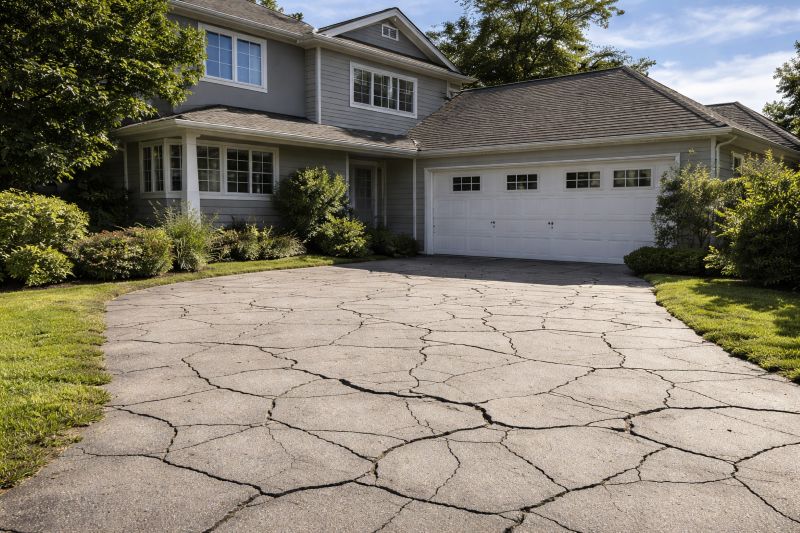
Can You Resurface Old or Cracked Concrete?
Concrete surfaces naturally wear down over time. Cracks, stains, discoloration, and surface damage can make driveways, patios, and walkways look aged and neglected. The good news is—you don’t always need to replace concrete entirely. In many cases, concrete resurfacing offers a practical and cost-effective solution.
In this guide, we’ll explore whether you can resurface old or cracked concrete, when it works, when it doesn’t, and how to get the best results.
What Is Concrete Resurfacing?
Concrete resurfacing is the process of applying a thin overlay or coating over existing concrete to restore its appearance and improve durability. Instead of removing and replacing the slab, professionals repair imperfections and apply a new surface layer.
This process can:
- Cover minor cracks and surface damage
- Improve texture and slip resistance
- Enhance visual appeal with decorative finishes
Can You Resurface Old Concrete?
Yes, old concrete can usually be resurfaced, as long as it is still structurally sound.
Signs Your Old Concrete Is Suitable for Resurfacing
Your concrete is a good candidate if:
- It has surface-level cracks
- The slab is stable and not shifting
- There is no major structural damage
- The surface is worn but intact
Even if your concrete looks outdated or discolored, resurfacing can completely transform its appearance.
Can You Resurface Cracked Concrete?
Yes—but it depends on the type and severity of the cracks.
Types of Cracks That Can Be Resurfaced
✔ Hairline cracks
✔ Small surface cracks
✔ Minor shrinkage cracks
These can be repaired and covered effectively during resurfacing.
When Cracks Are a Problem
Resurfacing may not be suitable if:
- Cracks are deep or wide
- The concrete is sinking or heaving
- There is ongoing movement in the slab
In these cases, underlying issues must be fixed first. Otherwise, cracks will reappear even after resurfacing.
Benefits of Resurfacing Old or Cracked Concrete
1. Cost-Effective Alternative to Replacement
Resurfacing costs significantly less than tearing out and installing new concrete, making it a budget-friendly option.
2. Restores Appearance
Old, stained, or cracked concrete can look brand new with a fresh overlay. Decorative finishes can even mimic stone, brick, or tile.
3. Extends Lifespan
Resurfacing adds a protective layer that helps your concrete last longer by resisting wear and environmental damage.
4. Quick Installation
Most resurfacing projects can be completed in just a few days, minimizing disruption.
5. Customization Options
You can choose:
- Colors
- Textures
- Patterns
This allows you to upgrade both function and style.
The Concrete Resurfacing Process
Understanding the process helps you know what to expect.
Step 1: Inspection
Professionals assess the condition of your concrete to determine if resurfacing is suitable.
Step 2: Surface Preparation
This is the most important step and includes:
- Cleaning the surface
- Removing dirt, oil, and debris
- Repairing cracks and imperfections
Proper preparation ensures strong adhesion.
Step 3: Crack Repair
Cracks are filled and sealed using specialized materials to prevent them from reappearing.
Step 4: Applying the Overlay
A resurfacing compound is applied evenly over the concrete.
Step 5: Finishing Touches
Depending on your preference, finishes may include:
- Smooth coating
- Textured surface
- Stamped patterns
Step 6: Sealing
A protective sealant is applied to enhance durability and longevity.
When You Should NOT Resurface Concrete
Resurfacing is not always the best option.
Avoid resurfacing if:
- The concrete is severely damaged
- There are large structural cracks
- The slab is uneven or unstable
- Water drainage issues exist
In such cases, replacement or major repairs may be required.
Common Mistakes to Avoid
1. Ignoring Underlying Issues
Resurfacing without fixing structural problems leads to recurring damage.
2. Poor Surface Preparation
Skipping proper cleaning and preparation can cause the overlay to fail.
3. Choosing DIY Over Professional Work
DIY kits often lack durability and may not provide long-lasting results.
Why Professional Resurfacing Matters
Hiring professionals ensures:
- Proper assessment of your concrete
- High-quality materials
- Skilled application techniques
- Long-lasting results
Professionals know how to handle different types of cracks and surface conditions effectively.
Our Client’s Concrete Resurfacing Expertise
If you’re dealing with old or cracked concrete, our client specializes in delivering reliable and high-quality resurfacing solutions tailored to your needs.
With extensive experience in:
- Driveway resurfacing
- Patio and pool deck coatings
- Decorative concrete finishes
They focus on restoring damaged surfaces while enhancing durability and aesthetics. Their team uses premium materials and proven techniques to ensure long-lasting results, even for challenging concrete conditions.
Is Resurfacing Worth It?
Resurfacing is worth it if your concrete:
✔ Is structurally sound
✔ Has only surface-level damage
✔ Needs a visual upgrade
It offers an excellent balance between cost, durability, and appearance.
Tips to Maintain Resurfaced Concrete
To extend the life of your resurfaced concrete:
- Clean regularly to prevent buildup
- Avoid heavy impact or sharp objects
- Reseal every few years
- Address small cracks early
Final Thoughts
So, can you resurface old or cracked concrete? Yes—if the underlying structure is still solid. Resurfacing is a smart, cost-effective way to restore worn-out surfaces without the hassle of full replacement.
By understanding the condition of your concrete and working with experienced professionals, you can achieve a durable, attractive finish that lasts for years. Whether it’s a driveway, patio, or walkway, resurfacing can breathe new life into your concrete and significantly improve your property’s overall appeal.
FAQ
❓ 1. How do you know if your concrete is too damaged to resurface?
If your concrete has deep structural cracks, sinking areas, or ongoing movement, resurfacing may not be effective. In such cases, underlying issues must be repaired first, or full replacement may be the better option.
❓ 2. Will cracks come back after concrete resurfacing?
Cracks can return if the root cause—such as ground movement or poor drainage—is not fixed. Proper crack repair and professional preparation significantly reduce the chances of cracks reappearing.
❓ 3. Can resurfacing improve both appearance and safety?
Yes, resurfacing not only restores the look of old concrete but can also improve slip resistance and surface texture, making it safer for areas like patios, driveways, and pool decks.
❓ 4. How long does the concrete resurfacing process take?
Most resurfacing projects are completed within a few days, depending on the size of the area and the complexity of repairs. This makes it a fast and convenient alternative to replacement.
❓ 5. Why is surface preparation so important in resurfacing?
Surface preparation ensures that the new overlay properly bonds with the existing concrete. Skipping this step can lead to peeling, cracking, or early failure of the resurfaced layer.