
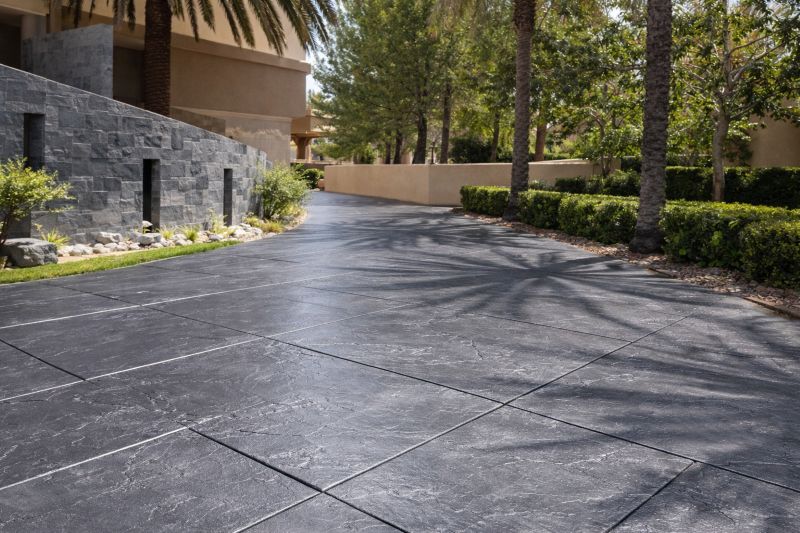
Types of Concrete Overlays: Which One Is Right for Your Surface?
Concrete does not always need to be removed when it starts looking worn, stained, cracked, or outdated. If the underlying slab is suitable, a concrete overlay can give the surface a completely different appearance while extending its useful life.
However, “concrete overlay” is not a single product or installation method. Different systems are designed for different conditions, thicknesses, textures, levels of damage, and decorative goals. A thin decorative topping that works well on a lightly worn patio may not be the right choice for a driveway with deeper surface imperfections.
Understanding the types of concrete overlays makes it easier to choose a system based on how the surface will actually be used.
What Is a Concrete Overlay?
A concrete overlay is a cement-based or polymer-modified material installed over an existing concrete surface that is suitable for resurfacing. The purpose may be to restore worn concrete, improve its appearance, add texture, create a decorative finish, or provide a more suitable surface for outdoor use.
Unlike full replacement, the existing slab remains in place.
That distinction is important. An overlay can improve the surface, but it cannot automatically correct major structural movement underneath it. If a slab has severe settlement, extensive structural cracking, drainage problems, or a failing base, replacement or structural repair may be more appropriate.
This is why a proper assessment should come before choosing an overlay system.
The Main Types of Concrete Overlays
There are several categories of overlay systems, and each has a different purpose. The most appropriate choice depends on the condition of the existing concrete and the finished surface you want.
1. Microtoppings and Thin Overlays
Microtoppings are very thin decorative resurfacing systems designed primarily to change the appearance of an existing surface.
They can produce smooth, textured, colored, or layered finishes depending on the installation method. Because the material is thin, surface preparation becomes especially important. The existing concrete needs to provide a stable and properly prepared base.
Microtoppings are often considered when the concrete is generally sound but looks dated or has minor surface imperfections.
They are better suited to decorative transformation than to correcting significant changes in elevation or substantial substrate problems.
2. Stamped Concrete Overlays
A stamped overlay is designed to reproduce the visual character of materials such as stone, tile, brick, or other patterned surfaces.
Instead of demolishing an existing slab and pouring an entirely new one, the overlay is installed over suitable concrete and then given a decorative pattern.
This can be useful for homeowners who want the appearance of a more expensive surface without completely rebuilding the concrete underneath.
Stamped overlays can work particularly well for patios, walkways, entry areas, and other spaces where appearance is a major consideration.
However, homeowners should distinguish between new stamped concrete and a stamped overlay. New stamped concrete involves placing a new slab, while a stamped overlay is a resurfacing application over an existing surface.
3. Spray-Texture Overlays
Spray-applied systems are designed to create textured surfaces and can be useful where slip resistance and surface feel are important considerations.
They are often used around outdoor living areas, including pool decks and patios. The texture can also introduce visual variation instead of leaving the surface completely smooth.
For an exterior project, ask whether the selected system is specifically designed for outdoor exposure. Not every decorative overlay material is suitable for the same weather, traffic, or moisture conditions.
4. Self-Leveling Overlays
Self-leveling materials are formulated to flow and create a relatively smooth, level surface.
They are particularly useful when the objective is to correct minor surface unevenness or create a consistent base. These systems are more commonly associated with interior applications, although the appropriate product depends on the manufacturer’s specifications and project requirements.
A self-leveling overlay should not be viewed as a universal solution for a structurally unstable slab. Leveling the surface does not eliminate underlying movement.
5. Polishable Overlays
Polishable overlays are designed to create a surface that can be mechanically refined after installation.
The finished result can provide a clean, contemporary appearance and may be suitable for spaces where a refined architectural finish is desired.
These systems require careful installation and finishing. The desired level of smoothness, aggregate exposure, sheen, and final appearance should be discussed before work begins.
They can be especially attractive for interior floors and selected commercial applications.
6. Carvestone Overlays
Carvestone is a particularly relevant overlay option for decorative outdoor resurfacing.
Resistant Coating Solutions uses Carvestone overlay systems for surfaces including driveways, patios, pool decks, porches, and walkways throughout the Dallas–Fort Worth area.
The company’s published information describes Carvestone as a combination of natural Carvestone material, cement, and polymer. Rather than relying on conventional stamping tools, patterns can be cut or carved by hand to create a more natural stone-inspired appearance.
This gives homeowners considerably more flexibility when the goal is to move away from the appearance of ordinary gray concrete.
Carvestone-style finishes can be designed to resemble natural materials such as stone, slate, tile, and other architectural textures. For Texas outdoor spaces, the material and finish also need to be selected with heat, UV exposure, moisture, and daily traffic in mind.
How Do You Choose Between Overlay Types?
The biggest mistake is choosing an overlay solely because you like a photograph of the finished surface.
Start with the condition of the concrete.
If the slab is structurally stable but cosmetically tired, a thin decorative system may be sufficient. If the surface has more noticeable imperfections, a higher-build system may provide greater flexibility.
Then consider how the space will be used.
A driveway experiences vehicle loads and tire traffic. A pool deck has completely different requirements, including moisture and foot traffic. A patio may place greater emphasis on appearance and outdoor comfort.
Your location matters, too.
For homeowners in North Texas, the overlay needs to be appropriate for strong sun, high summer temperatures, seasonal weather changes, and regular outdoor use.
Resistant Coating Solutions specifically focuses on decorative resurfacing and overlay solutions designed around Texas outdoor conditions.
Concrete Overlay Comparison
| Overlay Type | Typical Purpose | Design Potential | Common Applications |
|---|---|---|---|
| Microtopping | Refreshing sound surfaces | High | Patios, interior floors |
| Stamped overlay | Decorative patterns | High | Patios, walkways, outdoor areas |
| Spray texture | Texture and surface variation | Moderate to high | Pool decks, patios |
| Self-leveling overlay | Creating a smoother, more uniform surface | Moderate | Primarily interior applications |
| Polishable overlay | Refined architectural finish | High | Interior floors, selected commercial spaces |
| Carvestone overlay | Natural-stone-inspired decorative resurfacing | Very high | Driveways, patios, pool decks, walkways |
The table is only a starting point. Product specifications, substrate condition, installation method, and exposure conditions can change which system is appropriate.
Why Surface Preparation Matters More Than the Finish
A beautiful overlay cannot compensate for poor preparation.
Before installation, the existing surface should be inspected and cleaned. Unsound material, significant surface defects, contamination, and other issues need to be addressed according to the requirements of the selected system.
Cracks deserve particular attention.
A minor surface crack may be repairable or incorporated into a decorative design, but a crack caused by ongoing movement is a different problem. Simply covering it may allow the underlying issue to appear again.
This is why experienced contractors typically begin with an evaluation rather than immediately recommending a particular color or texture.
Resistant Coating Solutions describes its process as beginning with consultation and surface preparation before professional overlay installation.
Where Can Concrete Overlays Be Used?
One advantage of modern overlay systems is their versatility.
Depending on the product and substrate, overlays can be considered for:
- Driveways
- Patios
- Pool decks
- Walkways
- Porches
- Garage floors
- Entry areas
- Selected interior concrete floors
For example, a homeowner renovating a backyard might use one decorative system across the patio and pool deck to create a consistent appearance. Another homeowner may choose a more durable, textured finish for a driveway while using a different decorative treatment for a covered patio.
The application should always match the demands of the surface.
Are Concrete Overlays Suitable for Cracked Concrete?
They can be, but “cracked concrete” covers many different situations.
Minor cracks and surface imperfections can sometimes be repaired or incorporated into the resurfacing design. More serious cracking may indicate movement, settlement, drainage issues, or deterioration of the underlying slab.
An overlay should therefore not be sold as a way to make every damaged slab good again.
Before choosing a system, ask:
- What caused the cracking?
- Is the slab still structurally stable?
- Will the cracks be repaired before resurfacing?
- Could movement cause the new surface to crack?
- Is the proposed overlay designed for the location?
- What maintenance will be required afterward?
These questions can prevent an expensive cosmetic solution from being applied to a structural problem.
Concrete Overlay or Complete Replacement?
An overlay is generally most attractive when the existing concrete has enough structural integrity to remain in place.
Replacement becomes more relevant when the slab has widespread structural failure, major settlement, severe deterioration, or other problems that cannot reasonably be addressed through resurfacing.
The decision should therefore be based on condition first and appearance second.
If replacement is unnecessary, an overlay can reduce demolition and preserve the existing slab while still allowing a major visual transformation.
For homeowners comparing options, our guide to concrete resurfacing can provide useful context before deciding whether resurfacing is appropriate.
You can also compare different approaches in stamped concrete vs. overlay before selecting a decorative system.
What Should You Ask Before Choosing an Overlay?
Before signing a contract, ask for details rather than accepting a general description such as “decorative coating.”
A useful consultation should explain:
- Which overlay system is being proposed?
- Why is that system suitable for the existing concrete?
- What preparation will be required?
- How will cracks and damaged areas be handled?
- Is the material designed for exterior Texas conditions?
- What texture and color options are available?
- How will the finished surface be maintained?
- How long should the installation and curing process take?
- Is the system appropriate for vehicle traffic if it is a driveway?
- What problems would make the slab unsuitable for an overlay?
A detailed answer to these questions is more valuable than simply comparing surface colors or initial estimates.
How Resistant Coating Solutions Fits Into the Picture
Resistant Coating Solutions focuses on decorative concrete resurfacing and overlay work across Dallas–Fort Worth, with Denton among its listed service areas.
Its work includes Carvestone overlay, pool deck resurfacing, patio resurfacing, driveway resurfacing, walkways, and related decorative concrete finishes.
That range is useful because overlay selection should be based on the actual surface rather than applying one finish to every project. A driveway, pool deck, and patio may all benefit from resurfacing, but their performance requirements are not identical.
For homeowners in Denton, Dallas, Fort Worth, Plano, Lewisville, Flower Mound, Southlake, and other DFW communities, the first step is determining whether the existing concrete is a suitable substrate and then matching the overlay to the property’s needs.
Final Thoughts
There is no single “best” concrete overlay. veling mMicrotoppings, stamped overlays, spray-textured systems, self-leaterials, polishable overlays, and Carvestone systems each serve different purposes.
The right choice depends on three things: the condition of the existing concrete, the demands placed on the surface, and the appearance you want to achieve.
For Texas outdoor projects, climate should be part of that decision from the beginning. Strong sunlight, heat, moisture, and traffic can expose weaknesses in both materials and installation.
A successful resurfacing project starts with a sound substrate, thorough preparation, an appropriate overlay system, and realistic expectations. When those pieces are considered together, an aging concrete surface can become a durable and visually distinctive part of the property rather than something that simply needs to be replaced.