
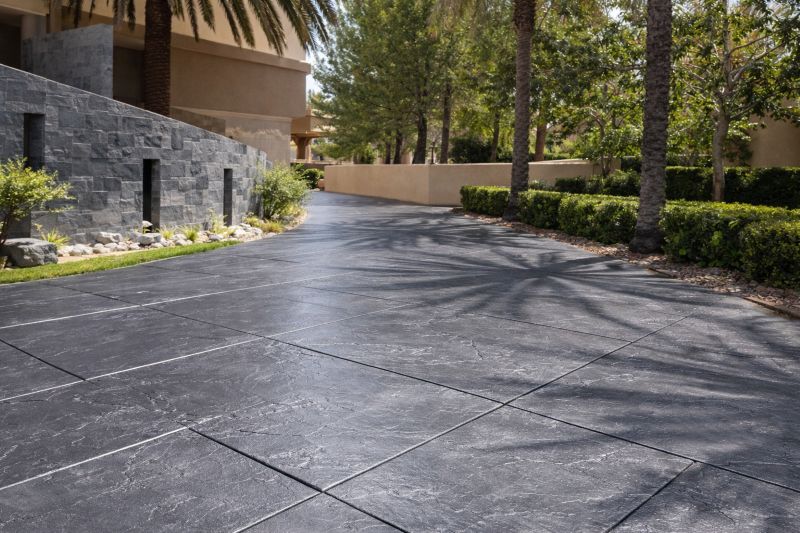
Types of Concrete Overlays (Stamped, Microtopping, Spray Texture)
Concrete overlays have become one of the most popular solutions for restoring and upgrading old concrete surfaces without the need for full replacement. Whether you want to enhance the look of a driveway, patio, pool deck, or walkway, overlays provide a cost-effective and visually appealing alternative.
In this guide, we’ll explore the three main types of concrete overlays—stamped overlays, microtoppings, and spray textures—along with their benefits, uses, and how to choose the right option for your project.
What Is a Concrete Overlay?
A concrete overlay is a thin layer of specially formulated material applied over existing concrete. It is designed to:
- Repair surface imperfections
- Improve durability
- Enhance appearance with decorative finishes
Unlike replacing concrete, overlays allow you to transform your surface with minimal disruption and cost.
Why Choose Concrete Overlays?
Before diving into types, it’s important to understand why overlays are so popular:
- Cost-effective compared to replacement
- Quick installation (often 1–3 days)
- Customizable designs
- Eco-friendly solution (reuses existing concrete)
- Durable and long-lasting when installed professionally
1. Stamped Concrete Overlay
What Is a Stamped Overlay?
A stamped concrete overlay is designed to replicate the look of natural materials such as:
- Stone
- Brick
- Slate
- Tile
The overlay is applied and then stamped with patterns to create a textured, high-end appearance.
Key Features
- Decorative and visually appealing
- Available in multiple patterns and colors
- Mimics expensive materials at a lower cost
Best Uses
Stamped overlays are ideal for:
- Driveways
- Patios
- Walkways
- Outdoor entertainment areas
They are perfect for homeowners who want a premium look without the cost of natural stone.
Pros
- High-end appearance
- Wide variety of design options
- Adds property value
Cons
- Higher cost compared to basic overlays
- Requires skilled installation
- May need periodic sealing
2. Microtopping Overlay
What Is a Microtopping?
Microtopping is a very thin overlay, typically applied in layers as thin as 1/16 inch. It creates a smooth, modern, and seamless finish.
Key Features
- Sleek and contemporary look
- Can be applied indoors and outdoors
- Works well on both floors and walls
Best Uses
Microtoppings are ideal for:
- Interior floors
- Modern patios
- Commercial spaces
- Retail environments
They are perfect for achieving a minimalist, polished concrete look.
Pros
- Ultra-smooth finish
- Versatile application
- Custom color options
Cons
- Requires a well-prepared surface
- Not suitable for heavily damaged concrete
- Can show imperfections if not installed properly
3. Spray Texture Overlay
What Is a Spray Texture Overlay?
Spray texture overlays are applied using a spray system to create a textured, slip-resistant surface. This type of overlay is commonly used for safety and durability.
Key Features
- Slip-resistant finish
- Lightweight and durable
- Ideal for outdoor use
Best Uses
Spray texture overlays are commonly used for:
- Pool decks
- Driveways
- Sidewalks
- Outdoor patios
They are especially popular in areas where safety is a priority.
Pros
- Excellent slip resistance
- Affordable option
- Quick application
Cons
- Limited decorative options compared to stamped overlays
- Texture may wear over time without maintenance
Comparison of Concrete Overlay Types
| Feature | Stamped Overlay | Microtopping | Spray Texture |
|---|---|---|---|
| Appearance | Decorative | Smooth | Textured |
| Thickness | Medium | Very thin | Thin |
| Best For | Outdoor areas | Modern spaces | Pool decks |
| Cost | Higher | Moderate | Lower |
| Slip Resistance | Moderate | Low | High |
How to Choose the Right Concrete Overlay
Choosing the right overlay depends on your needs, budget, and design goals.
1. Consider Your Surface Condition
- Minor imperfections → microtopping
- Moderate wear → stamped overlay
- Outdoor safety needs → spray texture
2. Think About Design Preferences
- Want a luxury look → stamped overlay
- Prefer a modern style → microtopping
- Need functionality → spray texture
3. Evaluate Your Budget
- Budget-friendly → spray texture
- Mid-range → microtopping
- Premium → stamped overlay
4. Consider Maintenance Needs
All overlays require maintenance, but:
- Stamped overlays need sealing
- Microtoppings need careful upkeep
- Spray textures require periodic cleaning
Why Professional Installation Matters
Concrete overlays may look simple, but proper installation is critical. Poor application can lead to:
- Peeling
- Cracking
- Uneven finishes
Professional contractors ensure:
- Proper surface preparation
- High-quality materials
- Long-lasting results
Our Client’s Concrete Overlay Expertise
If you’re planning to upgrade your concrete surfaces, our client specializes in delivering high-quality concrete overlay solutions tailored to your needs.
With extensive experience in:
- Stamped decorative overlays
- Smooth microtopping finishes
- Slip-resistant spray texture coatings
They focus on combining durability, aesthetics, and precision to transform worn-out concrete into stunning, long-lasting surfaces. Their team uses premium materials and proven techniques to ensure every project meets the highest standards.
Maintenance Tips for Concrete Overlays
To keep your overlay looking great:
- Clean regularly to remove dirt and debris
- Reseal surfaces every few years
- Avoid harsh chemicals
- Repair minor damage early
Proper maintenance extends the life and beauty of your concrete surface.
Final Thoughts
Concrete overlays are a smart way to upgrade your surfaces without the high cost of replacement. Whether you choose stamped overlays for a decorative finish, microtoppings for a modern look, or spray textures for safety and durability, each option offers unique benefits.
By understanding the differences and working with experienced professionals, you can choose the right overlay that fits your style, budget, and functional needs. Investing in the right solution not only improves your property’s appearance but also enhances its long-term value.
FAQ
❓ 1. Which type of concrete overlay is best for outdoor areas with heavy foot traffic?
Stamped overlays and spray texture overlays are both great for outdoor use, but spray texture overlays are ideal for high-traffic areas due to their slip resistance and durability, especially around pool decks and walkways.
❓ 2. Can microtopping be applied over damaged concrete surfaces?
Microtopping works best on smooth and well-prepared surfaces. If the concrete has significant damage or unevenness, repairs must be completed first, as microtoppings are very thin and can highlight imperfections.
❓ 3. How do decorative stamped overlays compare to natural stone?
Stamped overlays are designed to replicate the look of natural materials like stone or brick but at a much lower cost. They offer similar visual appeal while being more budget-friendly and easier to maintain.
❓ 4. Are spray texture overlays only used for safety purposes?
While spray texture overlays are known for their slip-resistant properties, they also enhance durability and provide a clean, textured finish, making them both functional and visually appealing for outdoor spaces.
❓ 5. How do you choose the right concrete overlay for your project?
The best overlay depends on your needs—stamped overlays for decorative appeal, microtoppings for modern finishes, and spray textures for safety and affordability. Your surface condition, budget, and design goals should guide your decision.